Upper Eyelid Blepharoplasty
Blepharoplasty is a type of aesthetic surgical intervention for correcting the area around the eyes. Aging or genetic predisposition are frequent causes of the unaesthetic appearance at the eyelid level. Blepharoplasty can be a solution for both upper and lower eyelids.
Excess skin and fat disappears or can be remodeled, so that the area around the eyes regains its beauty. Blepharoplasty is an operation that has both functional and aesthetic effects on the area around the eyes. Although it is an aesthetic procedure through which wrinkles disappear and the skin becomes smoother, of interest to women, men can also resort to this option.
There are people who, following this aesthetic surgical procedure, can gain good years, because the transformation is amazing.
Any drooping eyelid needs surgery for the facial appearance to be improved. The disappearance of dark circles accumulated over good years restores the youth and freshness of the face, which leads to increased confidence and self-esteem.


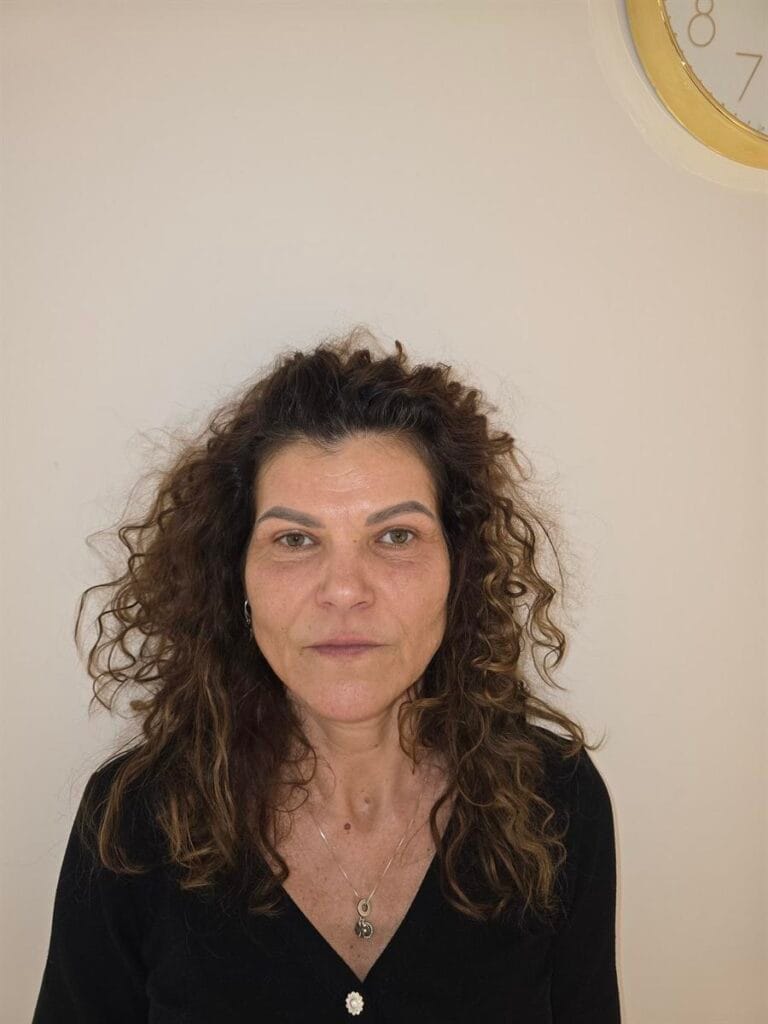


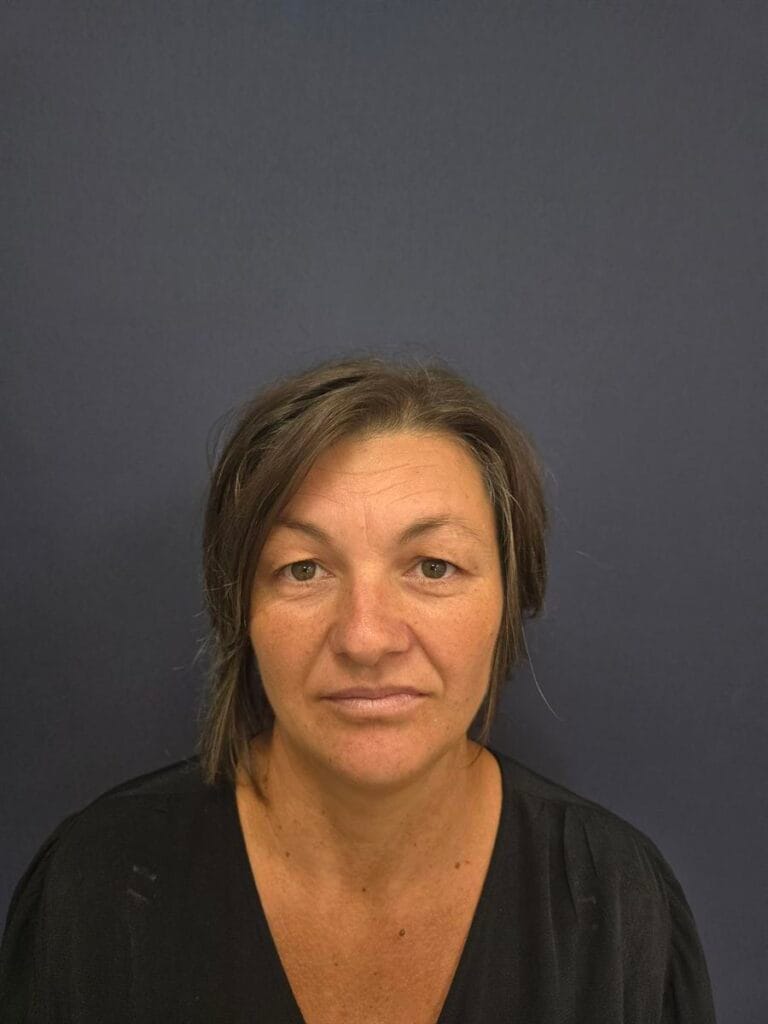

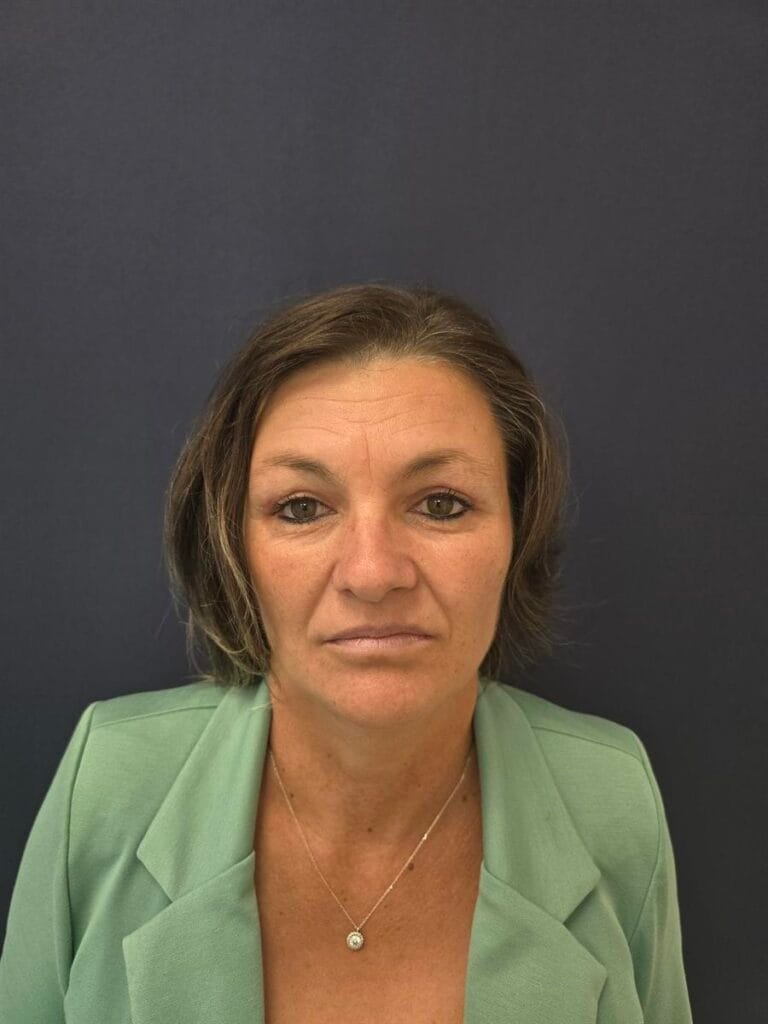


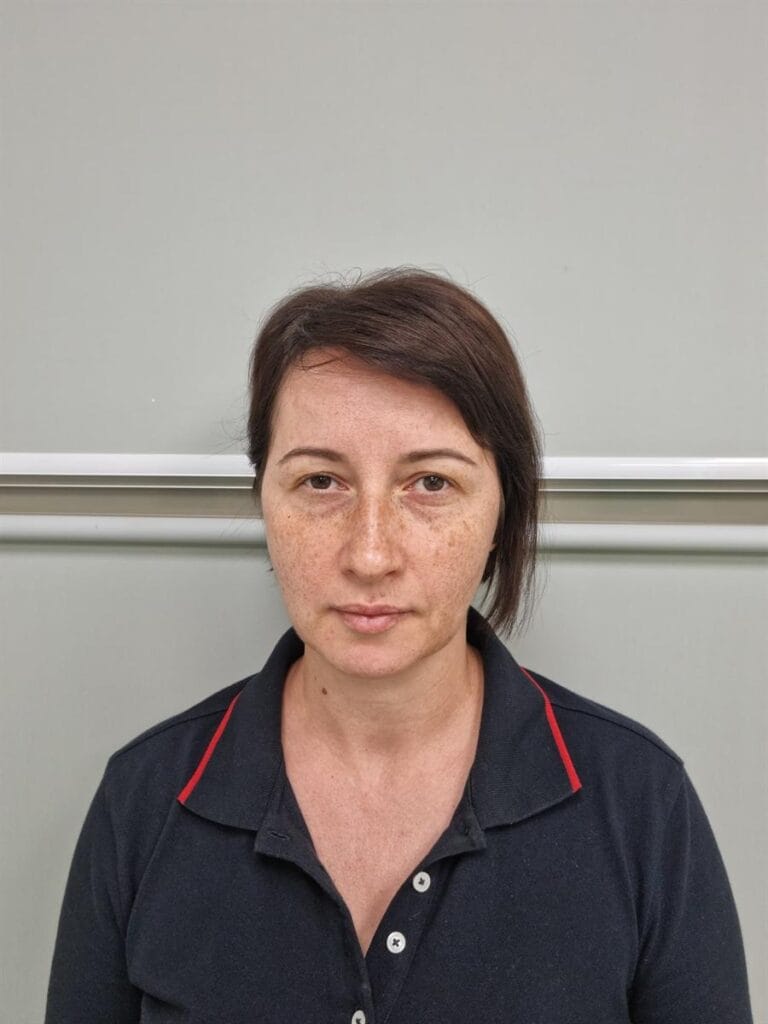


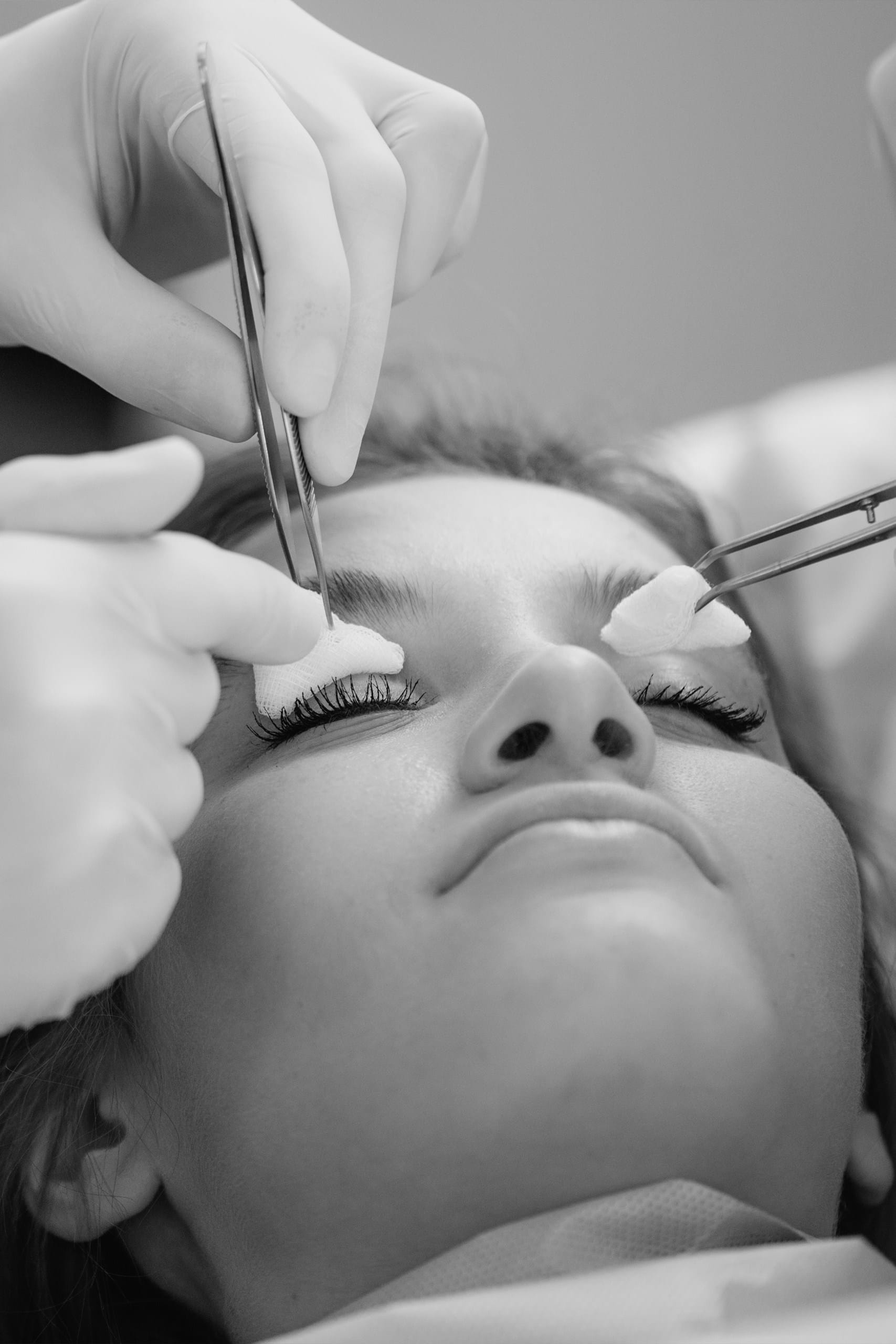
What you need to know about blepharoplasty surgery?
For many people, the eyelids and the area around the eyes show signs of aging faster than the rest of the face, causing a tired and aged appearance, even if their age is not advanced.
Dr. Olimpiu Hârceagă proposes to these patients the surgical procedure called blepharoplasty, an operation that can be performed on both eyelids, upper or lower. Blepharoplasty aims at surgical rejuvenation of the eyelids. It is a surgical procedure suitable for both men and women. Upper eyelid blepharoplasty can determine an improvement in vision, in addition to the cosmetic aspect, while lower eyelid blepharoplasty reduces wrinkles, dark circles and bags under the eyes.
01. When is eyelid surgery performed?
Blepharoplasty is an intervention performed on elderly people, but also on those for whom beauty is a way of life. The operation to lift the eyelids or remove wrinkles and dark circles under the eyes can be performed in the case of both women and men adults, sometimes even around the age of 40.
Everything depends very much on the desires of the people who request this type of intervention, but also on physiological needs.
02. What types of conditions can be corrected?
- Bags under the eyes;
- Sagging skin at the level of the upper or lower eyelid;
- Fat deposits on the upper eyelid.
Aging of the eyelid area causes increased laxity of the orbicular muscle and a loss of elasticity of the eyelid skin. The laxity of the orbicular muscle together with the laxity of the orbital septum and the loss of maxillary bone mass, lead to the formation of bags under the eyes, which are determined by the periocular fat that protrudes, no longer being fixed by the lax structures mentioned above.
In certain patients there is a genetic predisposition for the formation of these bags from adolescence, due to the anatomy of various structures.
Wrinkles, dark circles and bags appear more pronounced in the morning, after periods of stress or lack of sleep. This happens because of the interstitial fluid, which is distributed throughout the body when a person stands upright. This fluid tends to accumulate in looser areas when the person lies down.
The aging process also causes the upper eyelids to droop and skin to accumulate at this level, so that sometimes the excess skin hangs over the eyelashes.
What does the operation involve?
Blepharoplasty surgery can be performed under local or general anesthesia. Usually, the doctor will make an incision in the natural folds of the region, at the level of the upper eyelid, in the groove between the eyelid and the upper edge of the orbit or at the level of the lower eyelid, immediately below the eyelashes, the incision being continued in the lateral folds of the corner of the eye.
Through these incisions, different structures are accessed, such as fat that is resected or redistributed or the orbicular muscle that can be anchored, to reduce laxity. Also, excess skin is removed at the level of these incisions.
A minimally invasive technique is the transconjunctival approach which suits patients without excess skin and allows successful treatment of dark circles and bags under the eyes, through repositioning or excision of periocular fat. The incision in this case is made inside the lower eyelid. The advantage of this technique is the absence of a scar on the skin and reduced trauma at the eyelid level, with decreased risks associated with the operation.
Upper eyelid blepharoplasty
The purpose of this operation is to lift the eyelid, so that the eyes appear younger, fresher. In more severe cases, blepharoplasty is indicated to improve vision, because the lax and excess skin covers the eyelid, affecting the visual field.
Lower eyelid blepharoplasty
This type of procedure aims to reduce bags under the eyes and dark circles, by filling the groove between the eyelid and cheek. The fat that forms the bags under the eyes is manipulated in the most advantageous way, so that for certain patients it is used to fill the dark circles, through repositioning.
The purpose is aesthetic, for a youthful appearance, with a smooth and uniform transition between eyelid and cheek.

How long does the surgical intervention last?
Blepharoplasty surgery lasts between 1 and 3 hours, and the intervention can be extended if additional procedures are performed, such as fat transfer, laser resurfacing or peeling.
Anesthesia can be local, with sedation, for simpler procedures or if the patient desires. For more complex procedures and if all four eyelids are operated on, general anesthesia becomes an advantageous option.
Usually patients can leave the hospital the same day, in the evening, if everything is in order, regardless of the type of anesthesia used.
How do you prepare for blepharoplasty?
The opportunity for a blepharoplasty operation will be established by the surgeon, after a consultation in which you will discuss why you want this operation and what result you expect. The doctor will record a medical history, and in particular will be interested if you have a thyroid gland condition, hypertension, diabetes or eye diseases (retinopathies, glaucoma, dry eyes). All medications, including homeopathic or herbal pills, must be brought to the doctor’s attention.
The doctor will examine the eyes, eyelids, face, both their appearance and active movements, and will take several photographs.
The doctor will establish together with you the opportunity to perform the operation under local or general anesthesia. In case of general anesthesia, a consultation with the anesthesiologist will be scheduled and a series of tests will be performed, to check the general state of health, before the operation.
If you are overweight, pregnant or want to become pregnant, then the doctor will advise you to postpone the operation. Also, the doctor may request an ophthalmological consultation before the operation.
To be prepared for surgery, maintain the best possible health and an adequate weight for your age and height because these will help you heal quickly, without complications.
If you smoke, give up this habit six weeks before the operation. This will help with healing and will reduce the chances of complications.
In addition, maintaining strict hygiene will help reduce the risk of infection.
What does post-operative recovery involve?
If you go home the same day after surgery, a responsible adult should accompany you after surgery. Simple medications should be sufficient after surgery.
It is normal to tear more abundantly after the intervention, due to conjunctival inflammation (the membrane that covers the eyeball and lines the inside of the eyelids) and due to deficient tear drainage, the tear ducts being inflamed and partially obstructed. These side effects will persist for several weeks. The doctor will prescribe anti-inflammatory eye drops to reduce conjunctival inflammation. The eyelids will look and feel swollen after surgery, due to surgical trauma. You may not be able to close your eyelids completely at night, and in this case you will need to use drops to prevent eye dryness. This effect will disappear once the inflammation is reduced.
Dressings
The surgeon may apply adhesive strip-type dressings, placed around the eyelids, for their support. Cleaning the eyes with water is permitted.
Patients are advised to sleep with their head elevated, this helps reduce edema. The use of cold compresses for 1-2 days is permitted and will help fade bruising and swelling. However, the use of ice directly on the skin is not permitted.
Suture threads are removed approximately one week after surgery. After their removal, you may be advised to use adhesive strips for support.
Tips for good recovery:
Direct sun exposure or in tanning salons – should be avoided during the recovery period;
Travel – should be postponed to avoid risks;
Long-term results are proven, but there are also special situations where the effects are not as expected;
Intimate relations after the surgical procedure – to be avoided in the first phase, so that the body can recover.
Risks
The risks in the case of this aesthetic surgical intervention are the same as in the case of any operations. Therefore, the doctor must be very well informed beforehand, and if unforeseen situations arise after the intervention, you must return for analyses, treatment and even emergency procedures.
The body reacts differently, people without health problems being able to manifest various adverse effects or complications after the simplest surgical intervention. This intervention is recommended for people without major health problems, but also for realistic ones, equally, also because expectations can sometimes be high. Discussion with the doctor is essential before the procedure, so that you know what results you should achieve, depending on the facial conformation and the type of intervention.
Since this is an operation in such a delicate area, it is all the more important to strictly follow the advice received from the doctor for the postoperative period, so as to avoid unnecessary risks, and healing occurs naturally.
What is the price of a blepharoplasty operation?
900 €
Simple upper eyelid blepharoplasty
2200 - 3000 €
Lower eyelid blepharoplasty
The costs mentioned are estimates, and they may vary depending on the surgical technique chosen, the complexity of the case, as well as any additional procedures or investigations required.
Complex lower and upper blepharoplasty also includes other additional procedures such as fat transfer, and the price is established according to the particularities of each individual case. A detailed final cost can only be established following a medical consultation, in which the patient’s clinical situation will be evaluated and an individualized therapeutic plan will be established. These costs include: the surgeon’s and anesthesiologist’s fees, the hospitalization period, all medications and materials necessary during the surgical intervention and throughout the hospitalization. For a personalized estimate, we recommend scheduling a consultation.