
Buccal Fat Pad Reduction
Buccal fat pad reduction is a minimally invasive surgical procedure performed for aesthetic purposes, aimed at partial removal of fat from the cheeks, known as the buccal fat pad. This fat is located between the facial muscles and contributes to the round appearance of the face. The procedure is ideal for individuals who desire more pronounced cheekbone contouring and visible facial slimming, especially for those with round or wide facial features.
The procedure is performed through a small incision inside the oral cavity, which means it leaves no visible scars. It is a quick intervention with a relatively short recovery period, and results become evident progressively as postoperative inflammation subsides. Although it is an aesthetic procedure, it is important that the decision to undergo this procedure be made following careful medical evaluation to avoid exaggerations that may affect facial balance.
Buccal fat pad reduction not only redefines facial contour but can naturally accentuate features, providing a more mature and elegant appearance. It is an increasingly sought-after option for individuals who desire a subtle yet visible change without resorting to invasive methods or long recovery periods.
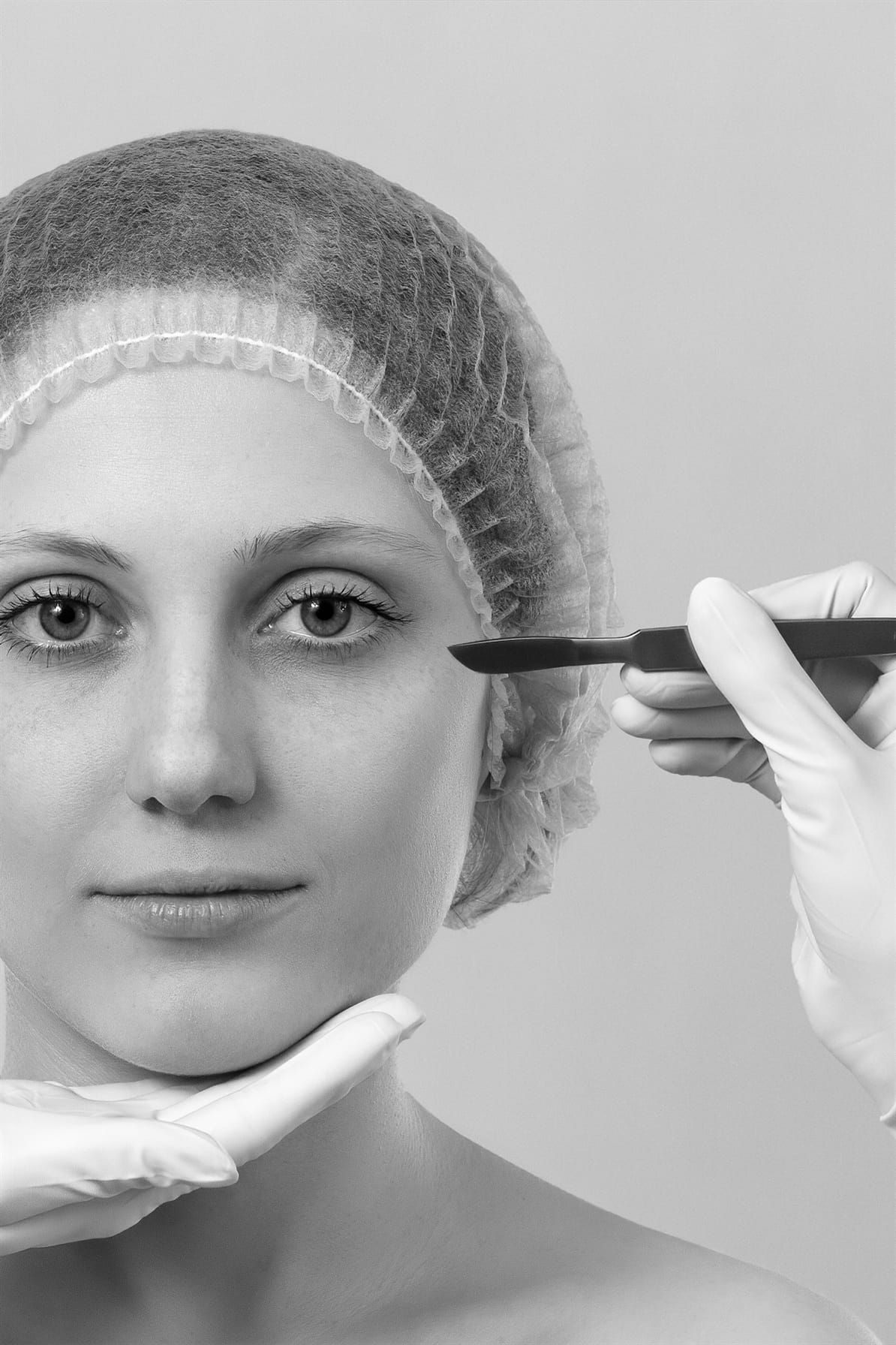

What is the buccal fat pad?
Buccal fat pad reduction is a common cosmetic surgery procedure performed to reduce cheek fat and slim the facial silhouette.
The buccal fat pad is located at the cheek level and is approximately the size of a walnut. This fat deposit is localized in the cheek between the nasal wing and the corner of the mouth. The function of the fat pad is to assist with sucking in children and to provide a gliding plane for the masticatory muscles. Fat pad atrophy occurs in HIV patients or in cases of starvation, while fat pad hypertrophy is normal in young children.
01. Who is a suitable patient for fat pad reduction?
Some patients have a very round face due to a large fat pad. The buccal fat pad has multiple locations on the face: at the temple, pterygoid, and cheek levels. The correct treatment is fat pad reduction, not complete excision. Excessive reduction can result in a sunken face that is not beautiful, especially at older ages when fat atrophy naturally occurs.
The suitable patient for this procedure is someone with a heavy round face, heavy cheeks, and an abnormal ratio between the cheeks and the rest of the face. It is usually a hereditary problem. Liposuction of these deep fat deposits is a risky procedure that I do not recommend, due to the increased risk of traumatizing important nearby structures such as facial nerve branches, the parotid gland duct, and the facial vein.
02. How is the reduction procedure performed?
The fat pad at the cheek level is reduced through an intervention inside the cheek where a small incision is made at the mucosa level, after which penetration occurs through the interior of the buccinator muscle inside the cheek, and immediately behind the muscle the fat is found. The amount of fat is evaluated preoperatively; usually the reduction is done conservatively – the entire amount of fat is never excised. The incision is sutured with absorbable sutures. Usually the intervention is performed under local anesthesia enhanced with sedation.
03. How long does recovery take after the procedure?
Generally, recovery is 3-5 days; some patients swell significantly while others less so. The final result can be evaluated at 3 months postoperatively when the edema has completely subsided and the scar has matured. Generally, the procedure will result in a slimmer face laterally from the nasal wing to the corner of the mouth. Usually the procedure takes 1 hour and can be performed simultaneously with other procedures such as facelift, facial liposuction, or facial implants.
What is the price of breast lift surgery?
€3800
Mastopexy without implant
€5,500
Mastopexy with implant
The costs mentioned are estimates, and they may vary depending on the surgical technique chosen, the complexity of the case, as well as any additional procedures or investigations required.
A detailed final cost can only be established after a medical consultation, in which the patient’s clinical situation will be assessed and the individualized therapeutic plan will be established. These costs include: the surgeon’s and anesthesiologist’s fees, the period of hospitalization, all the medicines and materials needed during the surgery and during hospitalization. For a personalized estimate, we recommend scheduling a consultation.
