
Endoscopic Facelift - Ponytail Facelifting
If you’ve come to read these lines, you’re probably informed enough to know the term ponytail facelifting. However, I will reiterate the translation into Romanian: it is an endoscopic facelift performed by pulling the tissues in the direction in which the hair would be tied back in a ponytail (ponytail). This comparison aims to highlight the natural appearance of the result and the fact that there are no visible scars. These two characteristics distinguish ponytail facelifting from other facelift procedures.
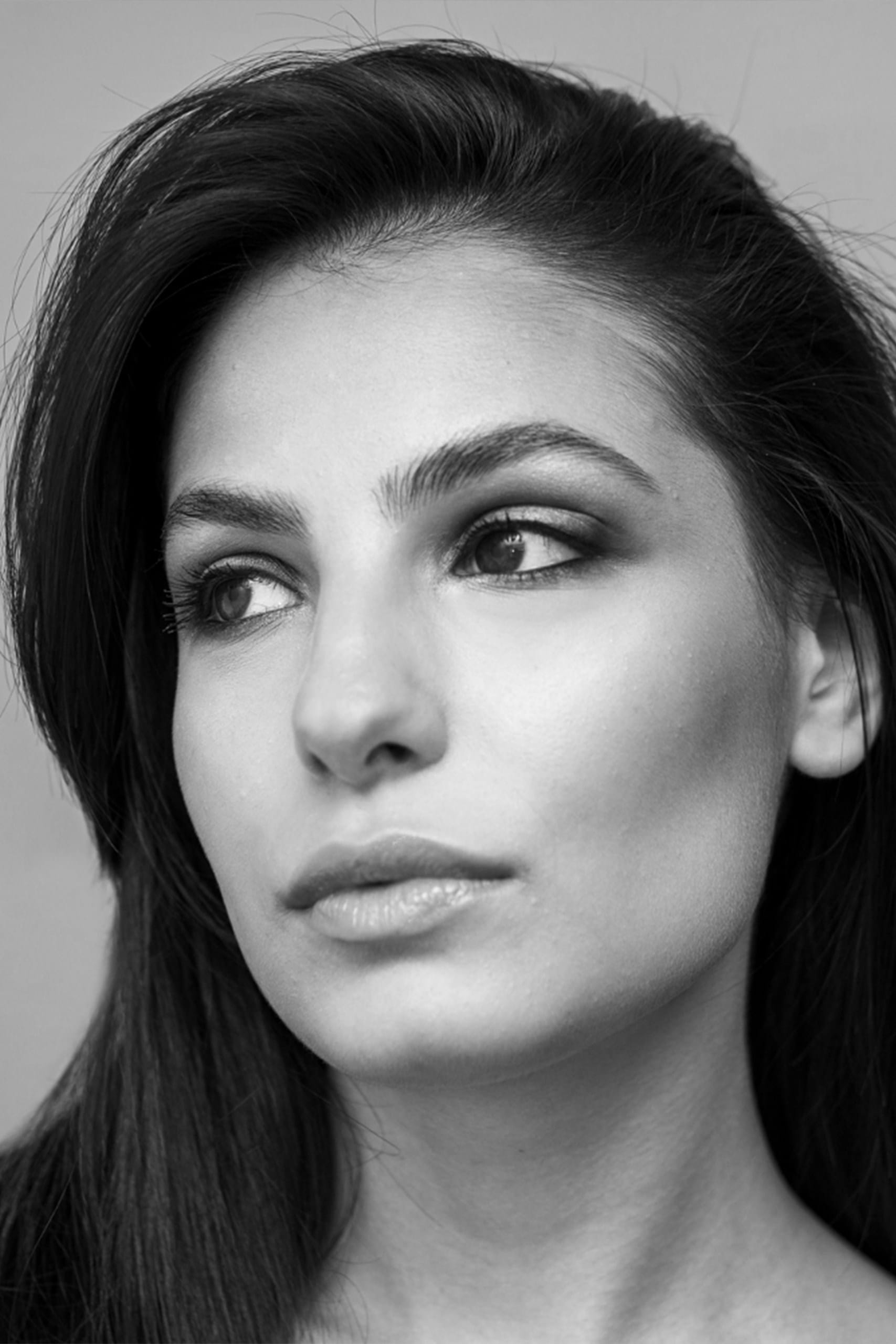

Who is a good candidate for this procedure?
Due to the fact that this surgery does not produce visible scars, it can also be performed on younger patients who show signs of premature aging. In general, it is suitable for patients without excess skin that needs to be excised.
The procedure improves the appearance of a “tired face” and a “fallen face.” It fades dark circles, can refill lost volume through an additional fat transfer procedure, and also acts on the neck, blurring the effects of gravity and the passage of time. The procedure frequently involves a brow lift and, if necessary, upper and lower blepharoplasty.
01. How is the ponytail facelifting procedure performed?
Most of the time, the procedure is performed under general anesthesia or sedation. It can be performed with the help of an endoscope or with special retractors with light, which facilitate the dissection of deep tissues. The incisions are hidden in the hair, and behind the ear if treatment of the neck is also desired.
- Cheek and “jowl” lift: the approach is through an incision in the scalp, above the ear. From here, the dissection is subcutaneous to the level of the corner of the eye, from where it continues in a deeper plane almost to the nasolabial fold. After dissection of the deep tissues, they are anchored at the level of the deep temporal fascia in a more elevated position, with the aim of reversing the effects of gravity.
- Brow lift (frequently included in this procedure): the approach incision is temporal, in the hair, without any visible incision on the hairless skin.
- Neck lift (if necessary): when there is excess skin at the level of the neck, the incision is made from the earlobe, continues behind the ear and in the hair — similar to the classic neck lift incision. If there are “platysma bands” (bands of the platysma muscle), a submental incision is also necessary, through which one can also act on the submandibular glands if they are enlarged and require reduction.
The purpose of these maneuvers is to lift the tissues and restore their position and volume as they were in youth. It does not aim to change the features, but to rejuvenate the patient’s face.
02. What is the difference between a classic deep plane lift and a ponytail lift?
One of the differences is the age category: ponytail facelifting is especially indicated for younger people who do not have excess skin. Skin excision is another distinctive element: in the classic deep plane lift, skin excision is performed (preauricular and retroauricular, for the neck), while in the ponytail lift the “packaging” — the skin — remains unchanged, and the entire operation takes place under the skin, in the deep plane called SMAS.
The brow lift is performed similarly in both cases (except for situations with excess skin, when additional incisions are necessary). The ponytail can take over the treatment of the neck from the deep plane lift in cases with excess skin at this level.
Due to the minimal approach, the instruments for dissecting the deep plane are special; an endoscope can be used for better visualization. There are controversies in the literature regarding the effectiveness and long-term maintenance of results in ponytail facelifting; our opinion is that, if the operation is performed correctly, and the dissection of the deep plane is sufficiently extensive, the results and their durability are comparable to the classic deep plane lift.
03. Preparation before surgery
First, you will meet with Dr. Olimpiu Hârceagă and discuss the reasons for your decision to resort to plastic surgery and your expectations. During the consultation:
- You will be explained in detail what this surgical intervention involves;
- You will be asked questions regarding your medical history and the medications you are taking (prescribed or not);
- Your face and neck will be examined and photographs may be taken (with your consent);
- The doctor will make sure that you are a good candidate for the operation (if you are overweight or intend to become pregnant, the surgeon may suggest postponing the intervention).
Maintaining good health and a weight appropriate for your age and height will help with rapid healing, without complications. If you smoke, try to quit at least six weeks before the operation; this improves healing and reduces the chances of complications. Do not remove/do not shave the hair from the vicinity of the areas where the incisions will be placed. Rigorous hygiene reduces the risk of infection. For female patients, it is important to inform the surgeon if you are using contraceptives or if there is a suspicion of pregnancy — some antibiotics may decrease the effectiveness of birth control pills.
04. Tips for a faster recovery
Here’s what you can expect after the operation:
- You will have bandages on your face and neck to reduce bruising and swelling; the bandages are maintained for 24 hours, after which they will be replaced with a compressive hood-type dressing. The stitches will be removed after 7–8 days;
- A numbness of the skin of the cheeks and ears is normal — it usually improves in a few weeks or months; it is advisable to sleep with your head elevated (extra pillows) in the first days;
- You will be able to get out of bed on the same day and you will be able to carry out light activities after two weeks; avoid intense activity, saunas and massage for at least six weeks;
- At first, the face will be swollen, with scars and bruises; these can be easily camouflaged, especially in women; some men choose to let their beards grow to hide the scars. In general, the scars are in the hair and are not noticeable, this being one of the advantages of the ponytail facelift;
- Do not lift heavy objects for a few weeks and avoid bending over or engaging in intimate relations for at least two weeks (physical activity of any kind can open the vessels and cause bleeding and/or hematoma; efforts that increase the pulse and heart rate can cause bruising and additional inflammation, sometimes requiring reopening of the wound to control bleeding);
- If you have travel or important meetings planned, inform the surgeon in advance; any intervention involves risks and possible delays in healing — your plans will be taken into account when scheduling, but there are no guarantees regarding the resumption of activities exactly on the desired date.
For a good recovery:
- Resume activities gradually;
- Avoid exposure to the sun or tanning beds — exposing the operated areas and suture lines to the sun can lead to poor healing and color changes (hypo-/hyperpigmentation), regardless of the use of creams with SPF.
The results are not permanent. Over time, due to aging, sun exposure, weight fluctuations, pregnancy, menopause or other circumstances, changes in the face and neck may occur, unrelated to the procedure itself.
What are the alternative treatments?
Alternative treatments are multiple, because this operation is addressed to younger people, without accentuated signs of facial and cervical aging. Non-surgical options:
- Fat transfer (microfat and nanofat);
- Injection of hyaluronic acid and collagen stimulators;
- Injection of vitamins (mesotherapy) and polynucleotides;
- Resurfacing with peeling or CO₂ laser;
- Botulinum toxin etc.
The purpose of ponytail facelifting is natural rejuvenation, without visible scars, with faster recovery and three-dimensional restoration of deep tissues. A consultation with Dr. Olimpiu Hârceagă will help you understand if you are the right candidate and how complementary treatments can be integrated, if necessary, for a coherent and lasting result.
Frequently Asked Questions
01. How long does the surgery take?
Approximately five hours.
02. Is hospitalization required?
As a rule, you will remain hospitalized overnight, under medical supervision.
03. What are the risks of the surgery?
As in any intervention, there are risks:
- Delayed healing – associated diseases, supplements/medications (e.g., diabetes, steroid treatment, smoking), inflammation, bleeding, long-term general anesthesia;
- Pain/hypersensitivity – nerve endings caught in the scar can produce pain or hypersensitivity; discuss pain management with the surgeon;
- Bleeding and hematomas – may occur intra- or postoperatively; rarely require drainage or transfusion. Follow the postoperative instructions and avoid physical activity during the indicated period. Hematomas usually appear in the first 2 weeks; bruising is expected and remits in ~2 weeks;
- Infection – unusual; if it occurs, it requires antibiotics, possibly hospitalization and/or additional procedures;
- Vicious/hypertrophic scars – all operations leave scars; although they are placed discreetly, there is a small chance that they will be visible or with a different color;
- Altered skin sensitivity – decreased sensitivity in the operated area is common; it usually remits, but rarely can become chronic. Itching, sensitivity or an exaggerated response to hot/cold may occur;
- Sutures – in addition to skin sutures, deep sutures are used; they can be felt under the skin and, rarely, can exteriorize, requiring removal;
- Pain – the intensity varies and may persist for a while;
- Anesthesia – local or general involves risks: injuries to the airways, cardio-respiratory problems, allergies, anaphylactic shock or, extremely rarely, death;
- Shock – very rare, in extensive procedures or in the context of major complications;
- Allergic reactions – to dressings, suture material, glue, blood products, IV agents, local creams; sometimes requires additional treatments;
- Cardiac and pulmonary complications – pulmonary emboli, atelectasis after general anesthesia; inactivity, smoking, birth control pills can increase the risk. Signs such as leg inflammation or a history of thrombosis should be reported. Cardiac complications can occur even in apparently healthy patients; symptoms such as dyspnea on exertion, chest pain, arrhythmias require immediate consultation. If they occur, they may require hospitalization and treatment.
What is the cost of the endoscopic facelift (Ponytail Facelifting) intervention?
€6,500
Ponytail Facelifting
The costs mentioned are estimates, and they may vary depending on the surgical technique chosen, the complexity of the case, as well as any additional procedures or investigations required.
A detailed final cost can only be established after a medical consultation, in which the patient’s clinical situation will be assessed and the individualized therapeutic plan will be established. These costs include: the surgeon’s and anesthesiologist’s fees, the period of hospitalization, all the medicines and materials needed during the surgery and during hospitalization. For a personalized estimate, we recommend scheduling a consultation.
