Otoplasty – surgery for prominent ears
The surgical procedure that adjusts or reshapes the form of prominent ears is called otoplasty. Ear surgeries are common today, with more and more people of different ages resorting to this method for an improved appearance. In fact, in recent years it has been noted that people resort to cosmetic surgery for correcting physical appearance or even for facial implants and midface lifts.

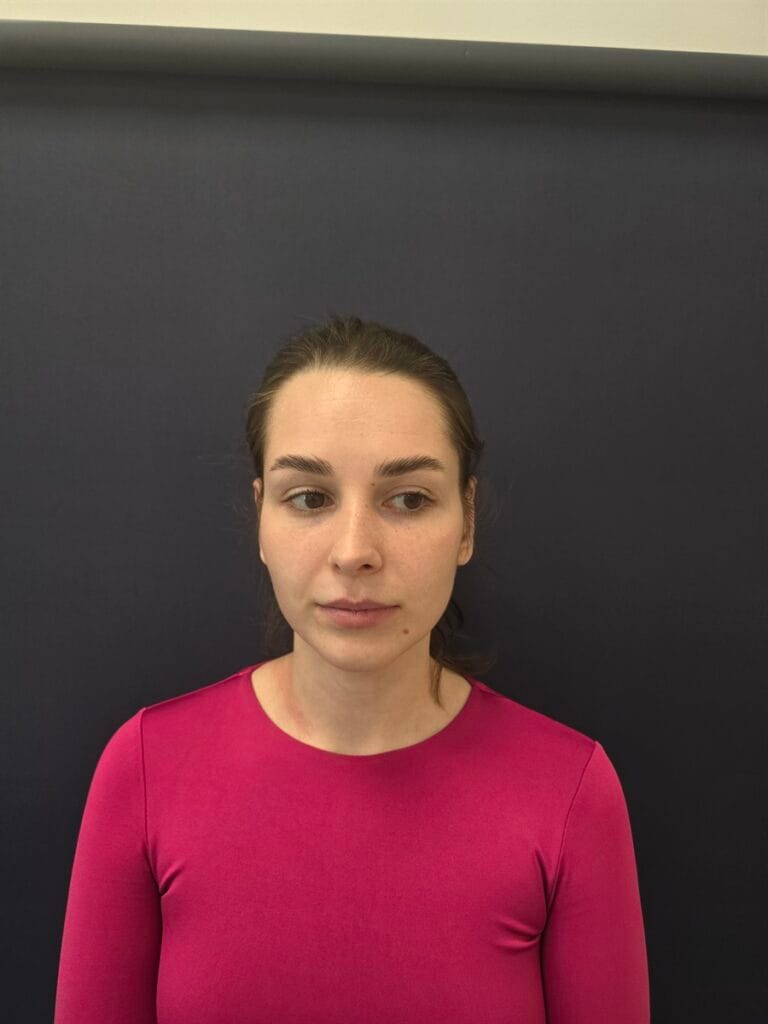

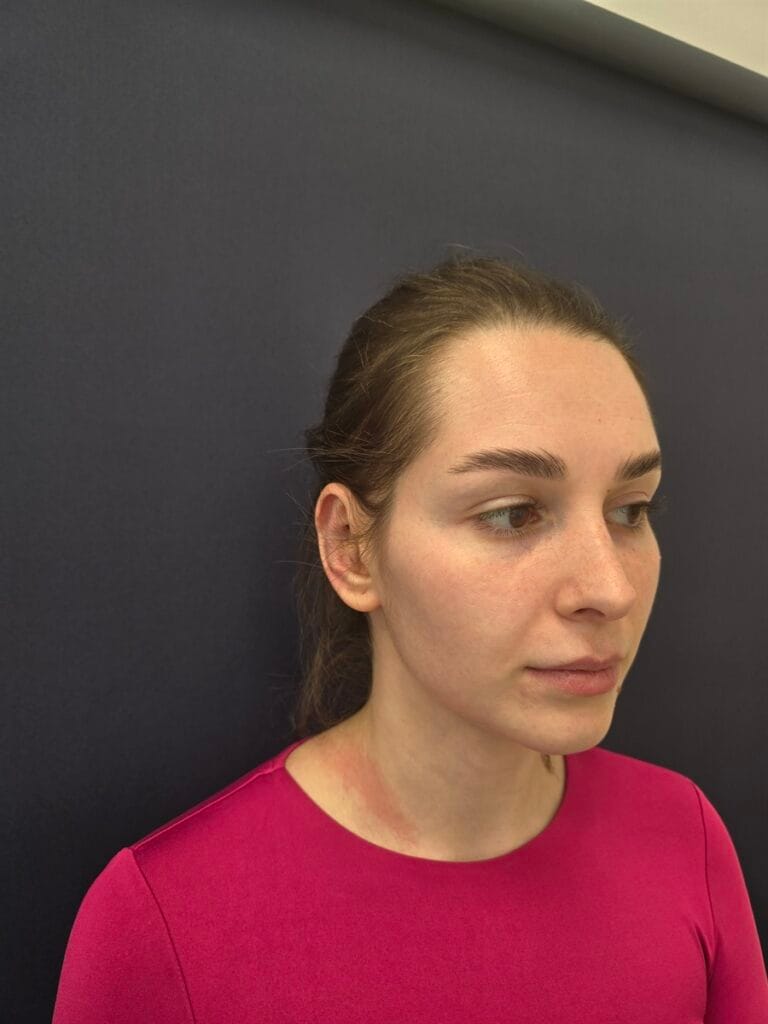
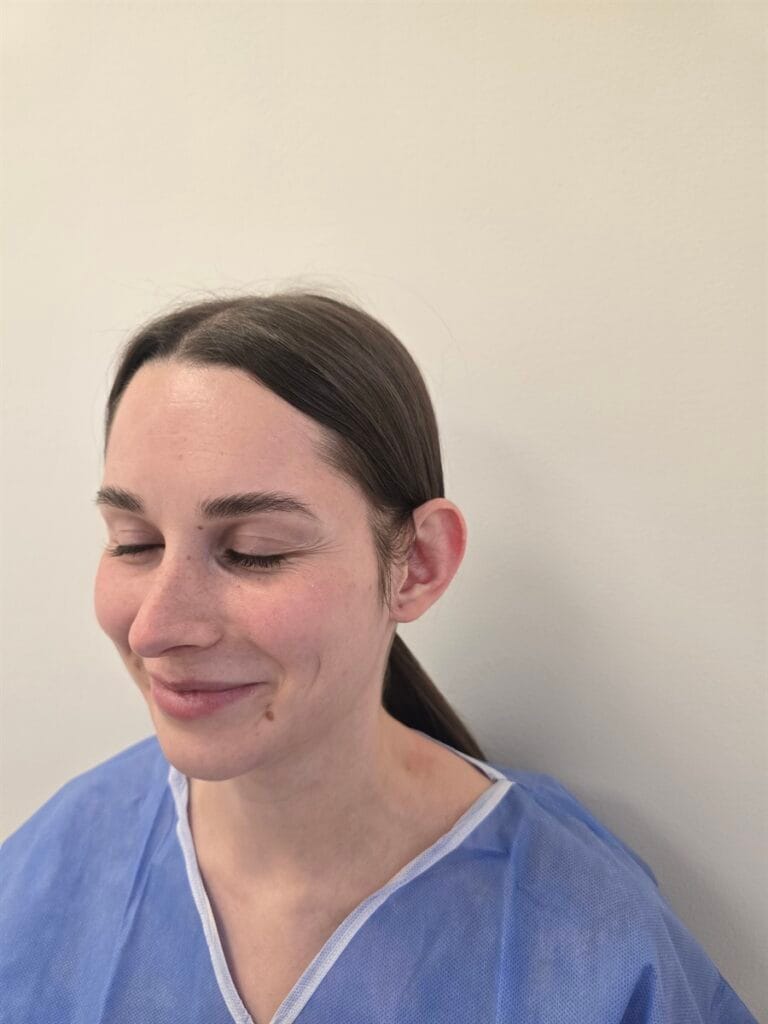
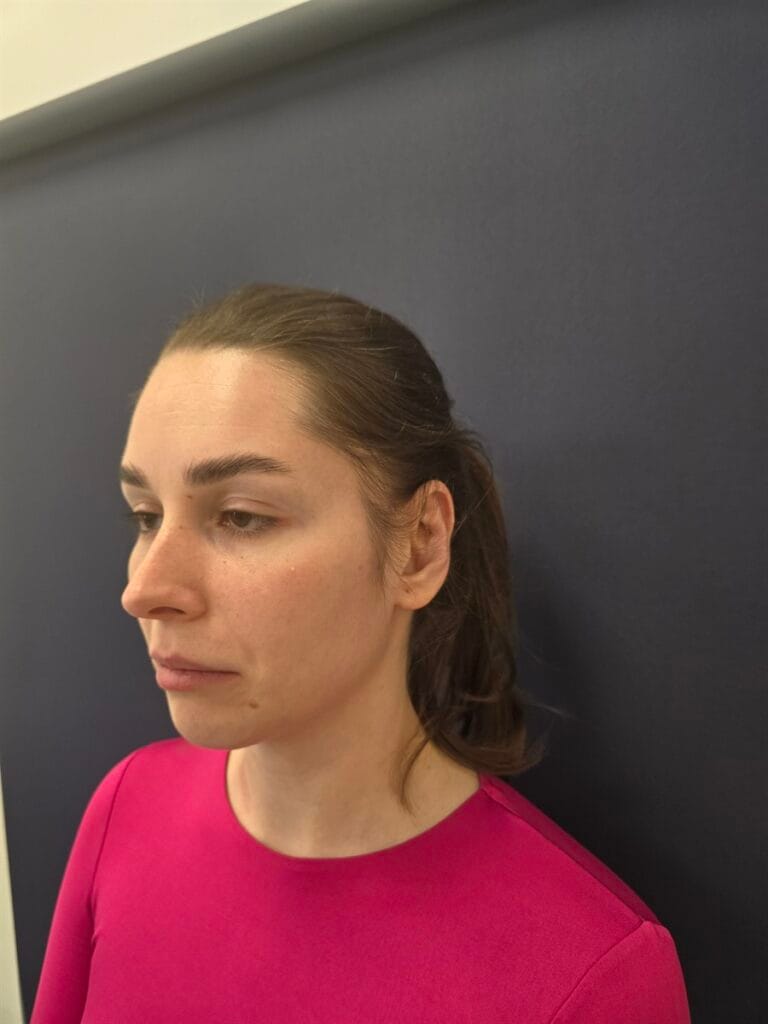






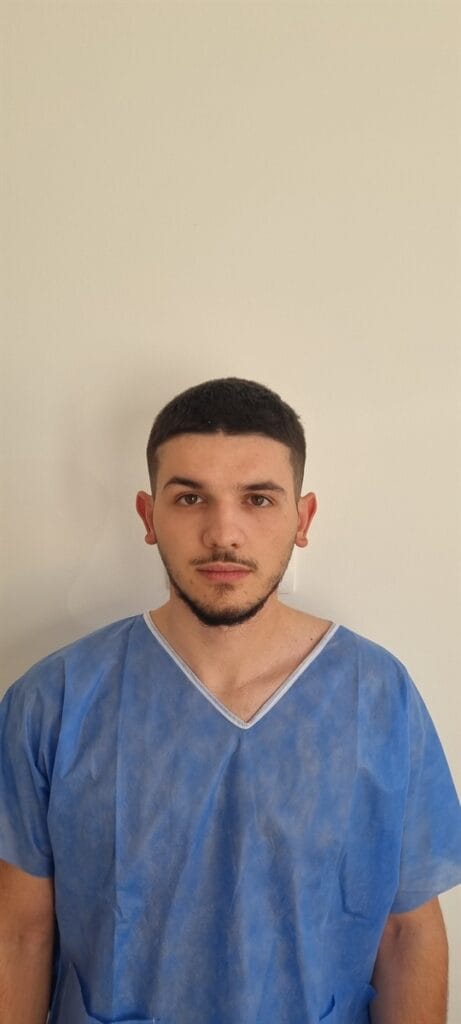


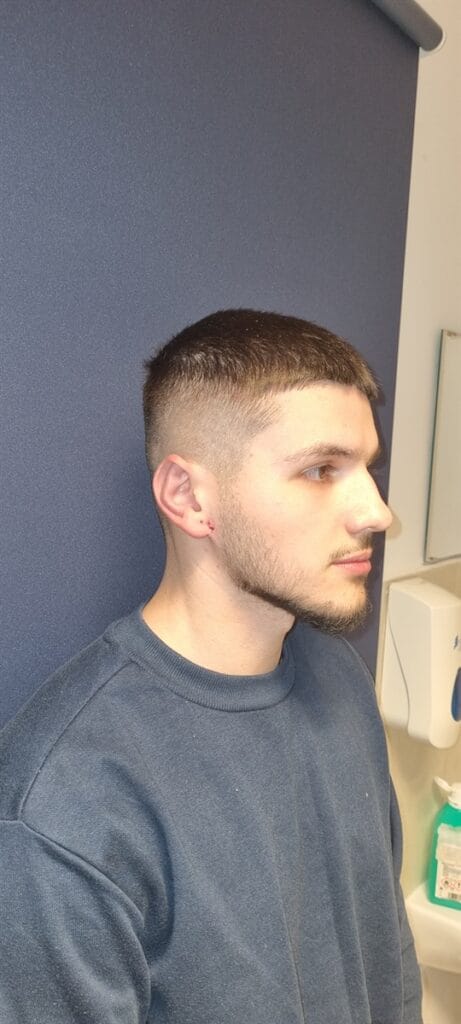
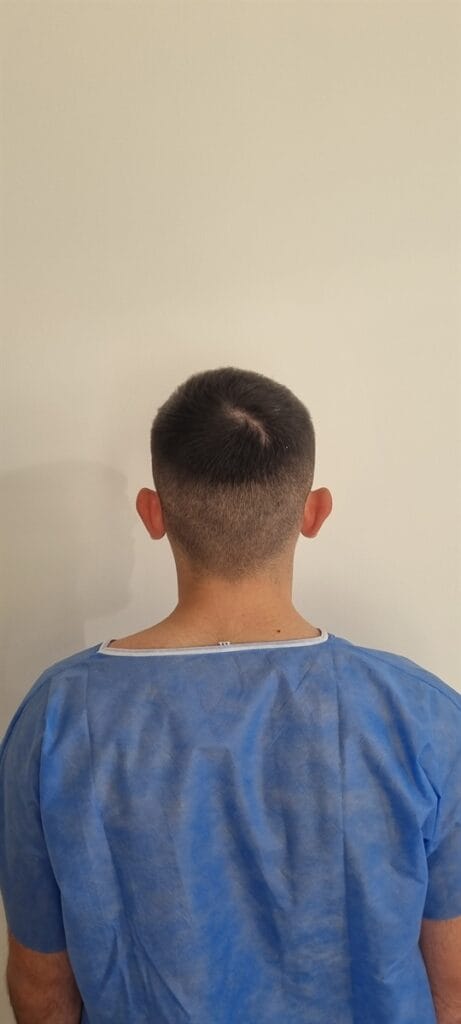
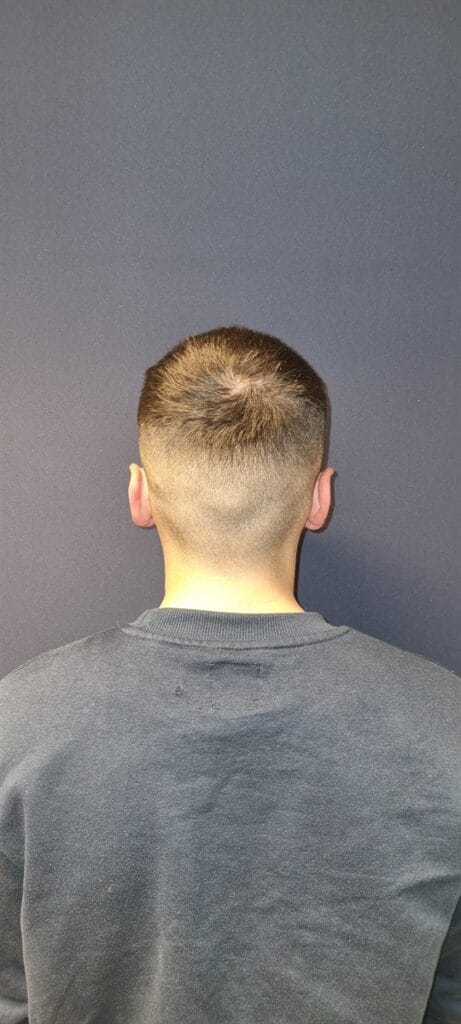
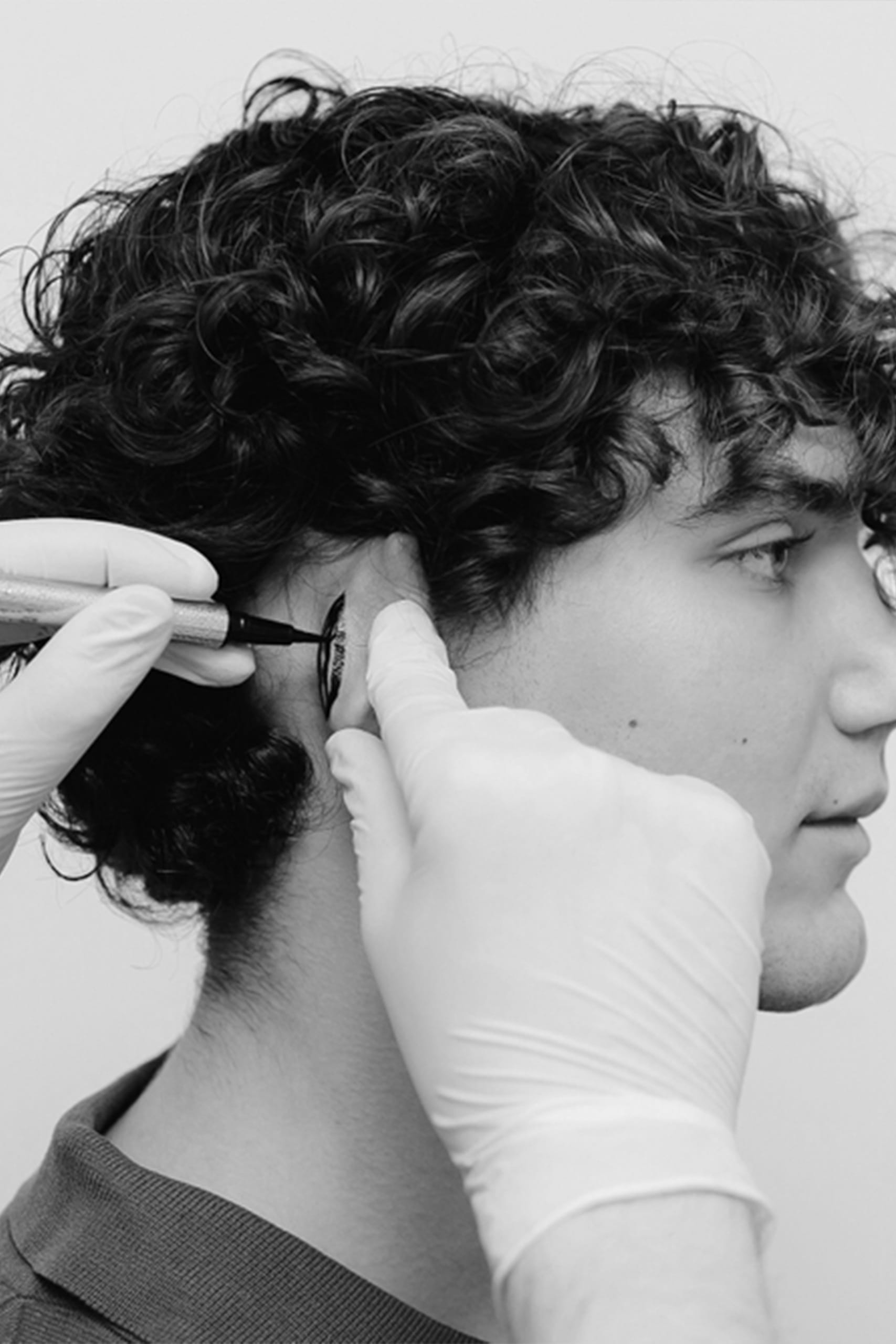
What does otoplasty involve?
01. What does otoplasty involve?
Pinnaplasty or otoplasty is an operation that adjusts the shape of the cartilage in the ear to create the missing folds and allow the ear to lie closer to the side of the head.
Because the surgery is performed behind the ears, a small scar may result near the groove between the ear and the side of the head. There are several types of technical procedures that leave small, almost invisible scars.
The procedure can be performed under local anesthesia, but general anesthesia is required for young children. If the earlobe is particularly large, a minor procedure may also be necessary to reduce its size.
02. At what age can otoplasty be performed and who are the candidates?
The surgery is most often performed during childhood, but it is best done when the patient is 5 years or older, as the cartilage is very flexible until then and does not tolerate stitches well.
It is recommended that, although parents may believe that their child’s ears should be corrected to avoid teasing and stigmatization, it is best to wait until the child recognizes the problem and wants their ears corrected.
Children are generally more cooperative and happy with the outcome when they fully understand why the surgery is taking place.
Pinnaplasty is performed both in adolescence and in adulthood, either under local or general anesthesia.
03. How long does the surgery last?
The surgery lasts between 1 and 2 hours and is usually performed under local anesthesia. In children, usually after the age of 12, it is possible to perform the surgery with local anesthesia. Even if the surgery is performed with general anesthesia or sedation, patients can go home the same day.
04. Is hospitalization necessary?
Hospitalization is not necessary, except in very special situations. If the aesthetic surgeon considers that there is any risk to the patient’s health, they will recommend hospitalization for at least 24 hours, during which they will observe the postoperative evolution.
05. What preparations are necessary for this surgery?
Preparation for this surgery should take into account maintaining the best possible state of health and a weight appropriate to age and height. All of these will help with a quick recovery, without complications.
If you smoke, quit smoking six weeks before the surgery. This will help with healing and reduce the chances of complications.
You should not remove or shave hair from the vicinity of the areas where the cuts will be placed on the skin. Maintaining strict hygiene will help reduce the risk of infection.
Before the actual surgery, you must stop taking certain medications: aspirin, birth control pills, pills that can affect blood clotting. The surgeon will inform you about these. All medical problems: high blood pressure, diabetes, allergies, vascular conditions – must be declared to the doctor so that they can make the best decision, so that your health is not endangered.
Also, avoid sun exposure before surgery. And after the procedure, you will be advised to do the same, for a period.
Ladies should know that if they opt for otoplasty, it is necessary to tell the doctor if they are on a diet. Healing may be delayed in these cases.
06. What does this surgery involve?
When it is noted that an ear is prominent even in the first weeks of life, it may be reshaped by applying a small splint to the base.
The cartilage of a newborn’s ear is very flexible and easy to transform, and after a few weeks of splitting, a permanent correction can be made. The older the child gets, the more rigid the cartilage is and the longer the transformation period needs to be. From the age of six months, the cartilage is too rigid to be reshaped and a surgical solution is required.
The intervention aims to bring the auricle closer to the head. This is achieved by fitting non-absorbable sutures under the skin, at the level of the cartilage of the auricle, which are tightened so that the auricle approaches the head.
Dr. Olimpiu Hârceagă, in selected cases, uses a minimally invasive technique, through which he creates small incisions, where he introduces the sutures. The advantage of this technique over the classic version is that it does not require an incision behind the ear and detachment of the skin from the cartilage. This technique allows the operation to be performed with local anesthesia and extremely rapid recovery; patients can return to work even the next day.
In a smaller number of cases, the classic technique is necessary, especially in cases where there is an excess of cartilage at the level of the auricle, which must be excised.
07. What happens after the surgery?
After the operation, you should usually wear a small dressing until the stitches are removed, at an interval between 5 and 10 days. Once the dressing has been removed, it is advisable to wear a headband or protective bandage while sleeping to avoid bending the ears when in contact with the pillow.
Most of the time, the ears are inflamed and sensitive for several weeks, requiring the use of analgesic drugs, such as Paracetamol or Codeine. Other drugs, such as Aspirin or Nurofen, can sometimes cause unwanted bleeding following surgery and should be avoided. The scar behind the ear usually heals well, but in rare cases it can become red and develop swelling. A small number of patients, especially those who are very sensitive about the precise shape of their ears, may require a minor adjustment procedure.
However, most patients are very satisfied with the result, and the procedure has a high satisfaction rate.
Hair can be washed 48 hours after the operation. However, it is important to keep the grooves behind the ears clean.
08. What does recovery involve?
Tips for a good recovery.
- Exposure to direct sunlight or in tanning salons
Exposure to the sun causes skin damage. Exposure of the operated areas and suture lines can lead to poor healing and hypo- or hyperpigmentation color changes.
Patients who want to expose themselves to the sun to tan should inform their doctor and postpone this activity until it is risk-free. Adverse effects also occur when sunscreen is used.
- Travel
Any surgical procedure involves possible risks and complications that can delay healing and return to normal life. Notify the surgeon of travel plans, important meetings that you are considering, so that the planning of the operation can be done efficiently. However, there are no guarantees that you will be able to return to the activities scheduled before the intervention in time.
- Long-term results
Changes in the results of the surgical procedure may occur over time, due to aging, sun exposure, weight loss or gain, pregnancy, menopause or other circumstances unrelated to the procedure itself.
- Information for female patients
It is important to tell the surgeon if you are using birth control pills or if you have the slightest suspicion that you may be pregnant. Many antibiotics can decrease the effectiveness of birth control pills.
- Intimate relations after the surgical procedure
Surgery involves the coagulation of blood vessels to stop bleeding, and physical activity of any kind can cause the vessels to open and bleed and/or form a hematoma.
Activities that increase pulse and heart rate can cause additional bruising and bruising, inflammation and the need to open the surgery to control bleeding.
What are the benefits of otoplasty?
A percentage of 1 to 2% of the population considers that their ears are too prominent. In many cases, the shape and placement of the ears is inherited, and a tendency can be observed in the family.
The most prominent ears often have an uneven fold, and sometimes one ear is in relief compared to the other. People with prominent ears are sometimes teased, especially in school years, and this can lead to a loss of self-confidence.
Solving the problem surgically brings back control, people become more confident in their own strengths, and the appearance of the face improves visibly.
The surgical procedure has results that last a lifetime.
What risks are patients exposed to who opt for ear reshaping surgery?
In children, the operation is generally performed under general anesthesia and this in itself involves a reduced risk.
In a small number of patients (approximately 3%), the scars may become stiff and red and may require additional treatment.
Infection is not common, but if it occurs, this will lead to treatment with antibiotics and regular dressing. Sometimes, the dressing can rub the ears and cause a rupture of the skin, which may require a long time to heal. There is a small risk that the repair will not fix properly, which is why an adjustment surgery is necessary.
The ears are often a little numb after the procedure, and this usually lasts a few weeks until it improves.

General complications associated with surgery
Healing
In the situation of the existence of chronic diseases, the ingestion of certain drugs or nutritional supplements, the healing of the wound may be delayed. There are autoimmune diseases or other conditions, of which the patient is not aware and which can lead to difficult healing of the wound or, on the contrary, to its reopening. The doctor will monitor the postoperative evolution and any suspicion will be investigated, identifying the best solution, depending on the situation.
It is extremely important to strictly follow the advice and recommendations offered by the aesthetic surgeon for the period after the operation, so that recovery and healing are not subject to unnecessary risks.
Bleeding and hematomas
Bleeding and hematomas can occur after this medical procedure and the most appropriate options can be found to solve the problems.
Vicious, hypertrophic scars
Bruises and scars are inevitable in the situation of a surgical intervention, but they fade over time. Discoloration of the skin may be a side effect of the intervention, along with the acquisition of sensitivity and the persistence of pain in the area subjected to the surgical intervention.
Complications due to general anesthesia
General anesthesia
General anesthesia is a complicated procedure for the body, so before the surgical intervention, the anesthesiologist will have a detailed discussion with the patient to find out as much as possible about them, the body, the lifestyle, but also about the genetic factors and hereditary inheritance. There is no certainty that everything will go perfectly after general anesthesia, but the doctor will be warned about certain risks and will know how to react.
General anesthesia causes a shock to the body, some recover very quickly and have no health problems after, for others the recovery is a little more difficult.
Allergic reactions
Also, allergic reactions to medicines, dressings, creams, ointments, sutures and other products used for the operation may occur.
Cardiac and pulmonary complications
The most serious are the cardiac and pulmonary complications that can occur after general anesthesia. This is also the reason why, in the situation of people with chronic diseases, the surgeon will decide on hospitalization after the intervention in order to be able to be monitored and treated accordingly.
Do not forget, anything that seems suspicious must be communicated to the doctor and any change that occurs during healing, which is out of the ordinary, should make you go to the doctor urgently.
What is the price of otoplasty?
€2,000
Mastopexy with implant
The costs mentioned are estimates, and they may vary depending on the surgical technique chosen, the complexity of the case, as well as any additional procedures or investigations required.
A detailed final cost can only be established following a medical consultation, in which the patient’s clinical situation will be assessed and the individualized therapeutic plan will be established.
These costs include: the surgeon’s and anesthesiologist’s fees, the period of hospitalization, all the medicines and materials needed during the surgical intervention and during hospitalization. For a personalized estimate, we recommend scheduling a consultation.