
Treatment of vascular lesions with MeDioStar Asclepion diode laser
Vascular lesions on the skin can appear at any age and, although they usually do not pose a health risk, they visibly affect the uniform appearance of the complexion and body skin.
The MeDioStar Asclepion diode laser (940 nm) is designed to target these dilated vessels, offering predictable results with minimal discomfort and short recovery time.
The treatment is performed in the office, and the parameters are adjusted according to the treated area, type of lesion and skin phototype, so that the procedure is both effective and safe.
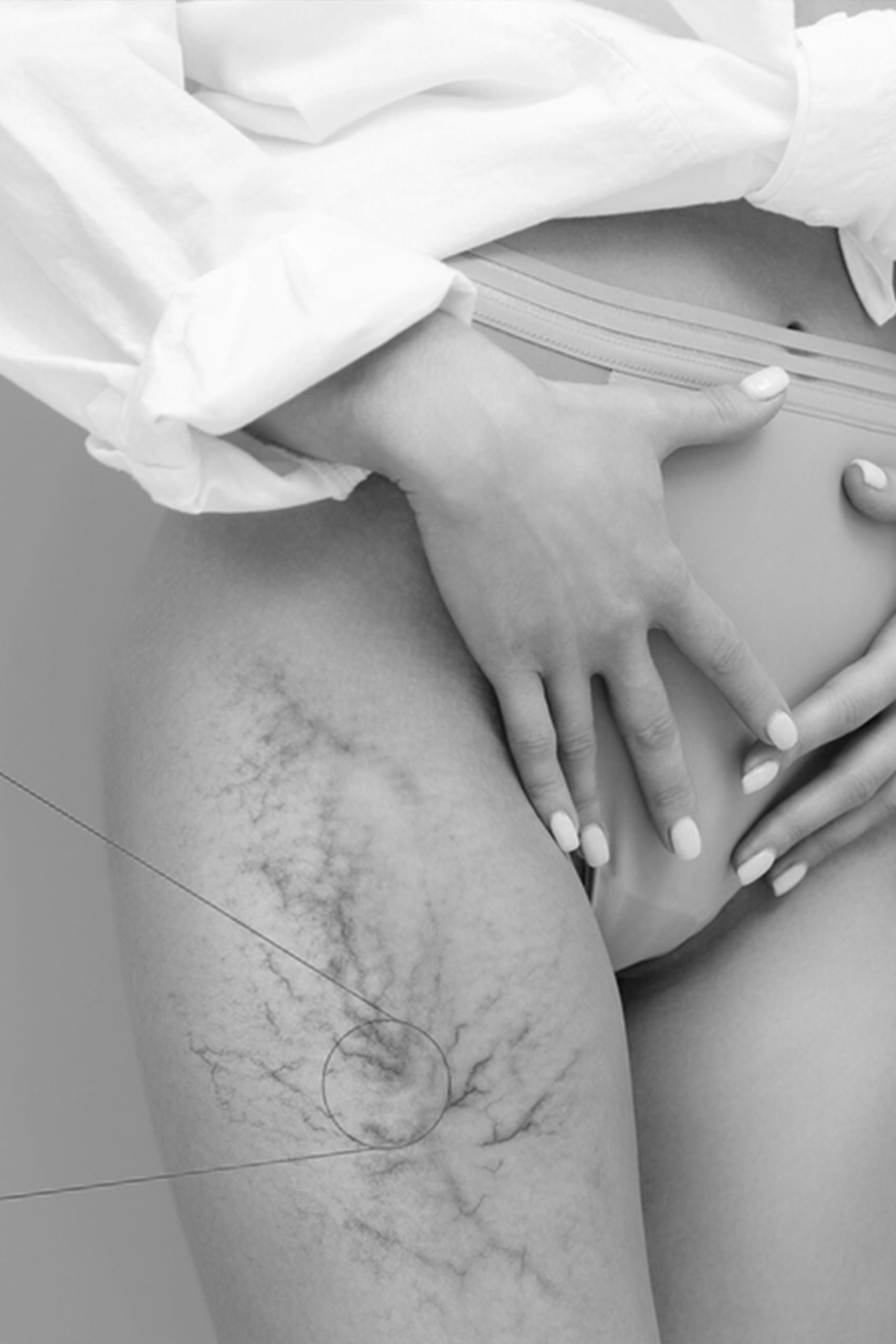
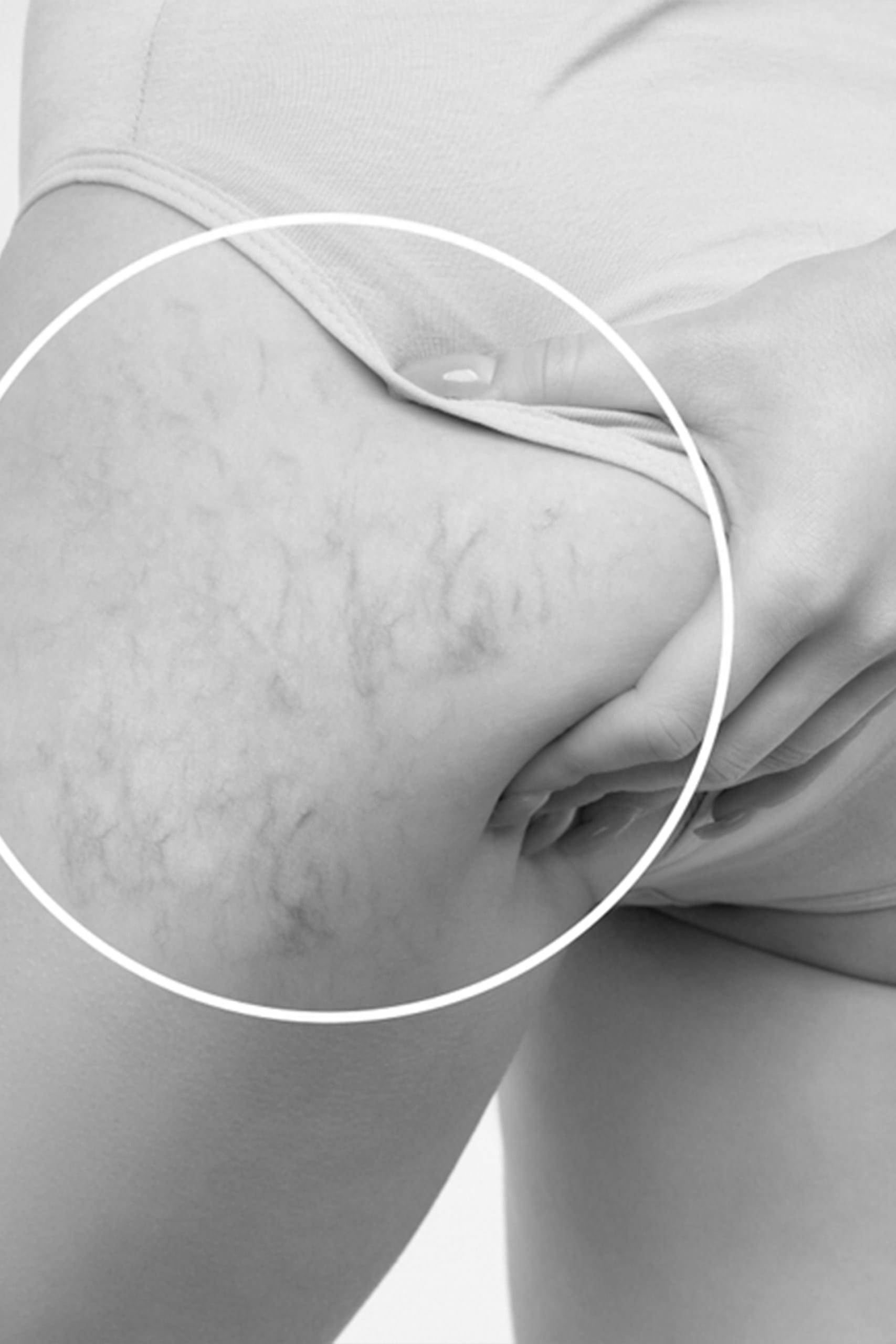
01. What are vascular lesions?
Cutaneous vascular lesions occur through dilation or fragility of capillaries and small blood vessels in the skin. The most common are telangiectasias – those very fine red vessels, popularly called “spider veins”, which are observed especially on the wings of the nose, cheeks or chin. On the face, the diffuse redness known as couperose (often associated with rosacea) gives the complexion a persistent “flushed” appearance, difficult to camouflage with cosmetic products alone. Hemangiomas are benign vascular formations, slightly raised or flat, cherry-red in color, which can persist for years. On the lower limbs, fine red vessels with a diameter of 1–3 mm are frequently observed, located especially on the calves, which can become an aesthetic concern with the arrival of warm weather.
These manifestations are not usually dangerous, but they can generate visual discomfort, can accentuate the uneven appearance of the skin and can influence self-esteem. Clinical evaluation establishes the type of lesion, approximate depth and size, to correctly choose treatment parameters or, if necessary, a combination of technologies.
02. How does the MeDioStar diode laser work?
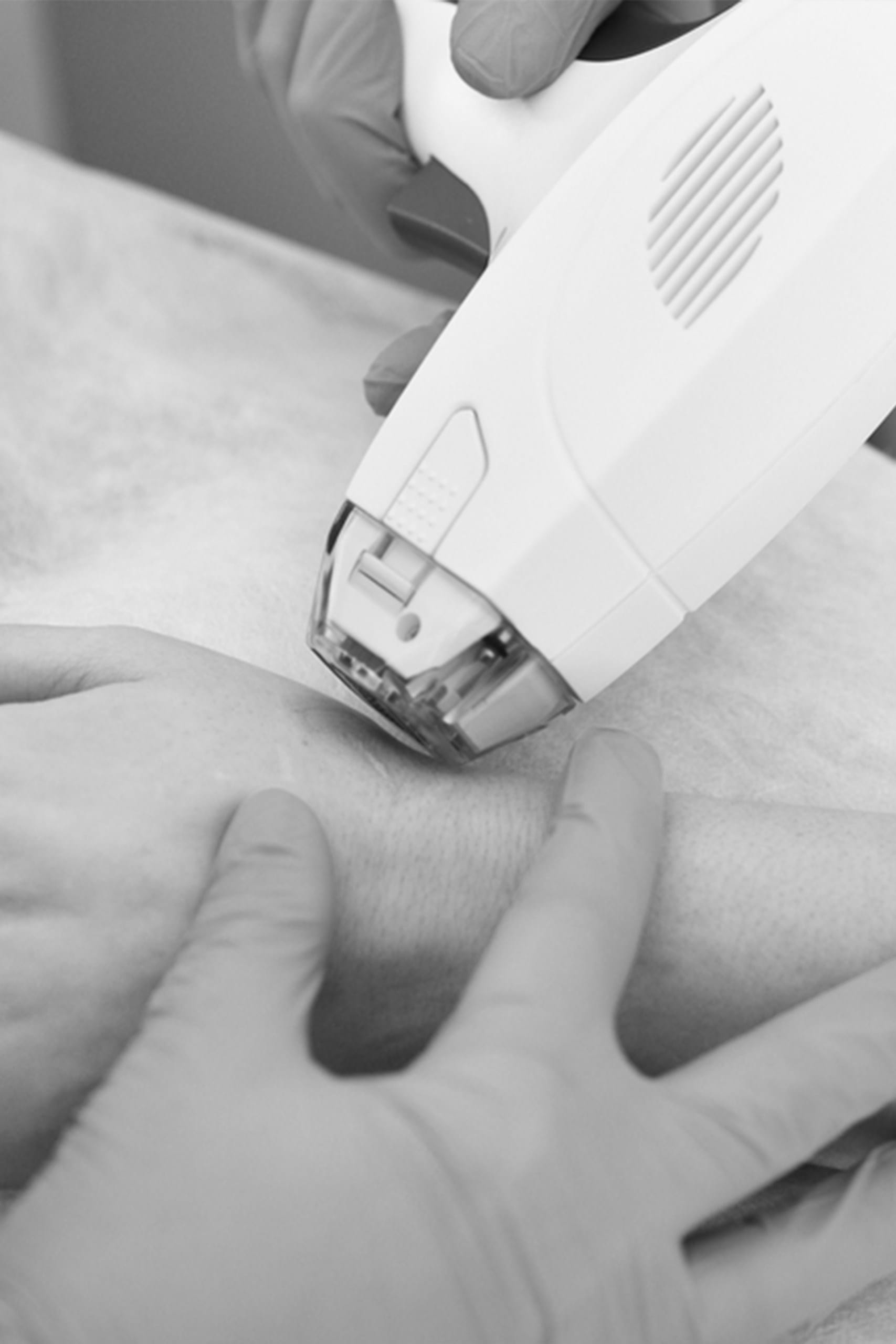
MeDioStar uses a wavelength of 940 nm, which is preferentially absorbed by hemoglobin – the pigment inside red blood cells. Light absorption transforms energy into heat and causes controlled coagulation of the target vessel. The vessel walls collapse, and the body naturally “cleans” the inactive structure in the following weeks through its own tissue remodeling mechanisms. Surrounding tissues remain protected because energy is delivered directionally, and the 360° cooling system of the handpiece maintains the skin surface at a comfortable temperature throughout the procedure.
A session begins with makeup removal/cleansing of the area and photography for documenting progress. A cold contact gel or thin film is applied for comfort, then light pulses are delivered along the path of visible vessels. Most patients describe the sensation as a “pinch” followed by brief heat, well tolerated. At the end, the area may show slight redness or discrete swelling, which usually resolves within a few hours. Depending on the number and caliber of vessels, 2–4 sessions are usually recommended, at 4–6 week intervals, to achieve a uniform and lasting result.
03. What are the benefits of the treatment?
Treatment with the MeDioStar diode effectively targets telangiectasias and fine red vessels, both on the face and legs. For patients with couperose or rosacea, reducing diffuse redness makes the complexion look more uniform, and makeup becomes optional, not mandatory. The procedure is non-invasive, involves no incisions and leaves no scars. Thanks to active cooling and short pulses, discomfort is minimal, and resumption of daily activities is, in most cases, immediate.
Another important advantage is versatility: the same platform can treat sensitive areas of the face, but also regions with thicker skin on the body. Parameters are adjusted according to phototype, so that the treatment is adapted to people with light or darker skin. Results appear gradually over the weeks, as treated vessels are reabsorbed. In parallel, adopting a care routine with high photoprotection and avoiding triggers of redness (prolonged sun exposure, extreme temperatures, hot sauna immediately post-treatment) contributes to maintaining long-term results.
04. Diode Laser vs. Gold Standard for vascular lesions
Nd:YAG 1064 nm (Classic Gold Standard)
The Nd:YAG 1064 nm laser penetrates deeper into the skin, making it a solid option for larger caliber veins with blue or greenish hue (approximately 3–5 mm), frequently encountered on the lower limbs. This depth comes with more pronounced discomfort during the session, compared to the diode, which is why additional comfort measures are sometimes applied. For certain leg veins, Nd:YAG remains the reference due to its efficiency on deeper vessels.
Pulsed Dye Laser (PDL, 585–595 nm)
PDL is considered the gold standard for superficial vascular lesions, such as flat hemangiomas, certain types of “port-wine stains” and diffuse redness. Due to very good absorption in hemoglobin at these wavelengths, PDL excels in surface treatments. Its limitation appears when the target is deeper or when the vessel diameter is larger, in which case efficiency decreases, and other wavelengths become more suitable.
MeDioStar Diode (940 nm)
The MeDioStar 940 nm diode laser is very effective for telangiectasias and fine red vessels, including on face and legs. The 360° cooling of the handpiece increases safety at the skin surface and enhances comfort throughout the pulses. For superficial vessels, the diode offers an excellent balance between efficiency and tolerance. In cases with larger or deeper veins, treatment can be combined with other technologies (for example, Nd:YAG), within a staged plan established by the specialist physician.
Conclusion
The MeDioStar diode is an excellent choice for superficial red vessels and telangiectasias, while Nd:YAG remains preferred for larger, blue-green veins located deeper. PDL has its well-defined role in very superficial lesions and diffuse redness. Initial evaluation determines which technology or combination of technologies offers you the best ratio between efficiency, comfort and number of sessions.
Frequently asked questions - Treatment of vascular lesions with diode laser
01. Is the treatment painful?
The sensation felt is usually a slight sting followed by brief heat. The 360° cooling system integrated in the handpiece protects the superficial layer of the skin and reduces discomfort. For sensitive areas or for more anxious patients, the doctor can adjust parameters or recommend simple comfort measures.
02. How many sessions are needed?
Most patients require 2–4 sessions, at 4–6 week intervals. The exact number depends on the size, depth and density of vessels. After each session, some vessels fade visibly, and the skin continues to become more uniform over several weeks.
03. What types of vessels respond best to diode?
Red telangiectasias, small vessels of 1–3 mm and diffuse redness associated with couperose respond very well. For blue or green veins, thicker or deeper, the doctor may recommend another wavelength or a combined protocol.
04. Are the results permanent?
Vessels destroyed by photothermolysis do not regenerate. However, individual predisposition, exposure to favoring factors (intense sun, large temperature variations) or natural skin evolution may determine the appearance, over time, of new vessels. A photoprotection routine, gentle skin care and, if necessary, maintenance sessions at long intervals contribute to result stability.
05. Is it safe for all skin types?
Yes. MeDioStar allows parameter adaptation to skin phototype, and advanced cooling increases safety during treatment. In the initial evaluation, the doctor will discuss the particularities of your skin, any active topical treatments (for example, retinoids) and will establish optimal preparation before the session.
06. When are results visible and what is the recovery?
Some vessels fade immediately or in the first days; others are reabsorbed over several weeks. Immediately after the session, redness and slight local swelling may appear, which are transitory. Usually, normal activities can be resumed the same day. It is recommended to avoid hot baths, intense effort and direct sun exposure for 24–48 hours, as well as consistent use of a broad-spectrum photoprotector.
07. How is preparation done before treatment?
Active tanning and intense sun exposure should be avoided for a minimum of 2–4 weeks before. The skin must be clean, without makeup or irritating products on the day of treatment. If you use photosensitizing or anticoagulant medication, inform the doctor at consultation to safely adapt the protocol.
08. Are there contraindications or side effects?
As with any laser procedure, local color changes or small bruises on treated vessels may appear, rarely and transiently, which resolve spontaneously. The procedure is not performed on recently tanned skin, during pregnancy or on areas with active skin infections. A careful history and punctual testing, where appropriate, further reduce risks.
What is the cost of vascular lesion treatment with MeDioStar Asclepion diode laser?
200 RON
Initial consultation
500 - 800 RON
One session for localized facial vessels (e.g.: nasal wings and cheeks)
700 - 1200 RON
One session for legs (calves)
15% discount
For series of 3 sessions
The mentioned costs are estimates and may vary depending on case complexity, as well as any additional procedures or investigations required.
A detailed final cost can only be established following a medical consultation, in which the patient’s clinical situation will be evaluated and an individualized therapeutic plan will be established.
For a personalized estimate, we recommend scheduling a consultation.
