Breast Reconstruction
Breast reconstruction is important for women after they have been diagnosed with breast cancer. This breast reconstruction procedure should take place after mastectomy. The information received from the plastic surgeon and from the oncologist will help you make the best decision for yourself, in complete safety.
Knowing very well the details of a breast reconstruction surgical procedure, as well as the risks and side effects that may occur, with a personalized presentation from the oncologist and plastic surgeon, you can choose the best surgical option for your needs.
The results of breast reconstruction after mastectomy are truly extraordinary. Self-confidence increases, self-esteem is restored, and the balance between physical and psychological will result in the chance for a new life, as normal as possible, under the given conditions.
Breast reconstruction surgery after removal of a breast due to cancer (mastectomy) can be one of the most inspiring surgeries for a woman. A breast cancer diagnosis can be frightening, however, with early detection of the problem, identification of appropriate treatment, followed by subsequent breast reconstruction after mastectomy, a woman can have a natural breast shape and better confidence in her health and appearance.
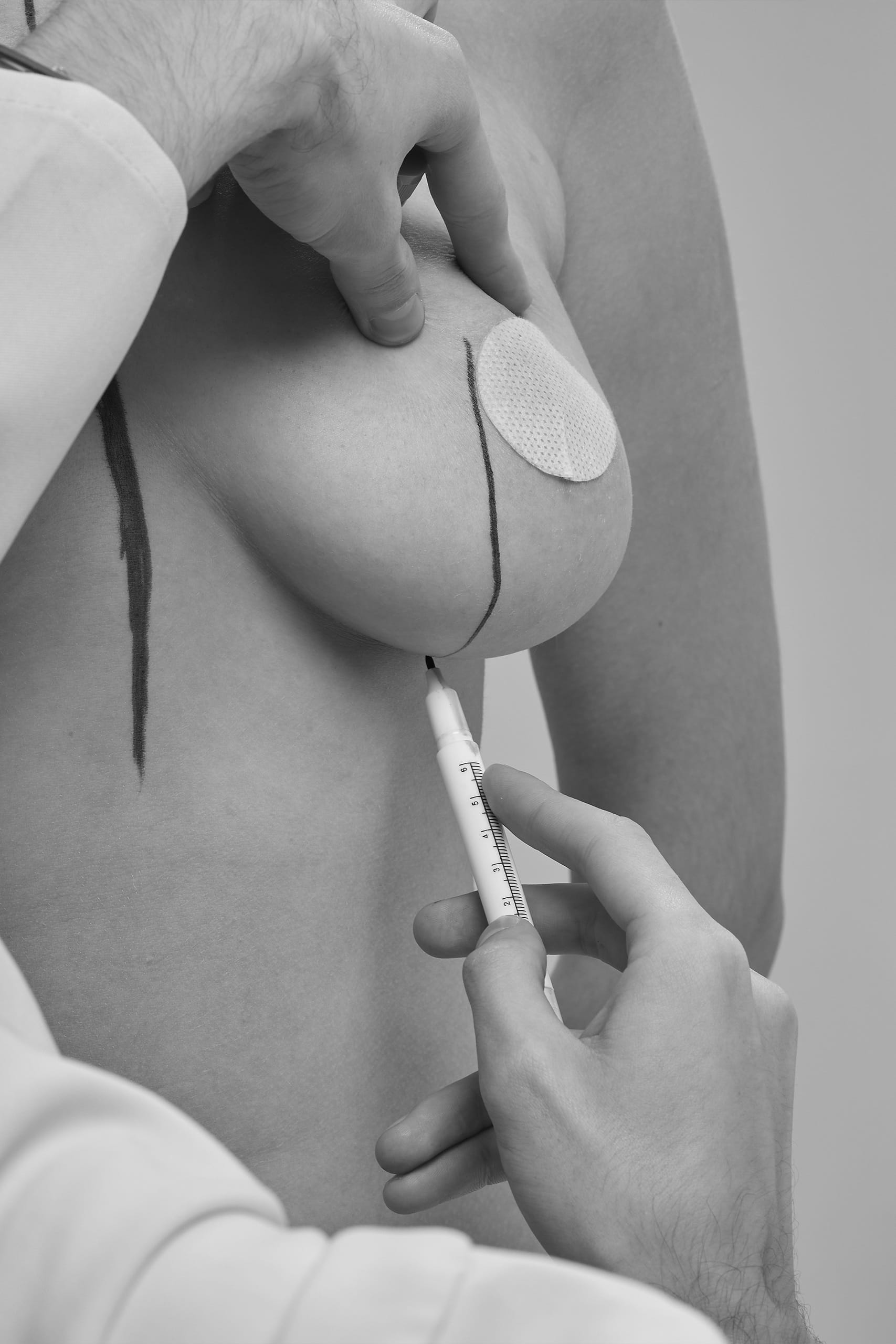
What are the stages of breast reconstruction surgery?
The initial breast reconstruction surgery is usually performed under general anesthesia. You will be completely asleep and feel comfortable during the procedure. Often, subsequent surgical procedures can be performed using a combination of local anesthesia or sedation to ensure your comfort.
Usually, hospitalization is required for at least 1 night.
Whether you opt for tissue expansion or flap reconstruction, you will likely need to undergo more than one surgical procedure to achieve optimal results. Generally, the first surgery is the complex one, and subsequent surgical procedures will be to replace the saline expander, to place a silicone or saline implant, or to recreate the nipple and areola.
Your plastic surgeon will discuss all of these in detail before the surgical procedure.
Different methods of breast reconstruction include:
Tissue expansion with an implant
This is a very common type of breast reconstruction surgery that involves placing an expander under the skin and under the chest muscle. The expander is injected multiple times with a saline solution over a period of weeks or months to stretch the skin.
After the skin is stretched and the pocket is created, the expander is removed and replaced with a breast implant, similar to breast augmentation. This is performed as a short outpatient procedure with minimal recovery time. If the tissue does not need to be expanded, an implant is placed without the need for saline expansion.Flap reconstruction
Flap reconstruction is a method that uses tissue from the back, abdomen, or buttocks to form the new breast. In some cases, this tissue and attached blood vessels are moved through the body to the breast area. In other cases, the tissue is removed and then moved to the breast area.
Your plastic surgeon will discuss each of these different approaches during the pre-surgical consultation.Nipple and areola reconstruction
Reconstruction of these breast elements is usually done in the second stage, after the breast has been reconstructed. There are several options for nipple and areola reconstruction.
01. Nipple reconstruction using your own tissue
During this procedure, the plastic surgeon will use skin from near or around the nipple site to create a shape that resembles the nipple bud. This is the part that protrudes from the breast. In some cases, a surgeon will graft skin from other areas to create the areola.
About 3 months after the procedure begins, a specially trained medical tattoo artist adds the finishing touches by tattooing a permanent nipple. Color and shading are used to produce naturally appearing results.
02. Tattoos without nipple reconstruction
The second option is to perform a nipple tattoo on the reconstructed breast tissue without actually reconstructing the nipple itself.
In this case, the shading procedure is used to create the illusion of a 3D nipple, but the tissue itself remains smooth. Unlike nipple reconstruction, there is no grafting and no further incisions are made on the body.
Because reconstructed breast tissue is not as sensitive as a natural breast, the tattooing process tends to be less painful than that of a traditional tattoo. Generally, only one session is needed, although some women choose to refresh their tattoo from time to time.
03. Nipple prosthesis
Many breast cancer survivors prefer to avoid further breast reconstruction surgery. In this case, detachable polyurethane nipples are available.
What are the benefits of breast reconstruction?
The beauty of the breasts is important for any woman’s self-esteem. Such a surgical procedure is beneficial, especially after going through a terrible disease – breast cancer.
As we mentioned, some women choose to have breast reconstruction surgery after breast cancer surgery. This option is very good because personalized treatment in breast cancer can interfere with breast reconstruction, influencing the results of breast reconstruction.
Pain and tenderness in the breast area will improve over time, and scars will become less visible. Quality of life increases, and the final appearance provides confidence and strength both physically and psychologically.
Frequently Asked Questions
What should you know before surgery?
Breast reconstruction surgery can be performed immediately after mastectomy or later. Usually, women choose immediate breast reconstruction to reduce the emotional impact of breast removal.
In certain cases, a woman may want to delay breast reconstruction surgery until the breast cancer diagnosis is confirmed and she has time to discuss all the options she has, both with the attending surgeon and with the plastic surgeon.
There have been numerous advances and new reconstruction techniques in the field of breast reconstruction, and your plastic surgeon will explain them in detail during the consultation. The surgeon will help you decide which approach is beneficial for your goals and will work closely with other doctors to determine the optimal course of action.
Make sure you address all questions to your plastic surgeon and discuss any concerns you might have during the direct and open consultation. It is very important to correctly understand these procedures.
How can you help make the surgery a success?
By maintaining the best possible health and an appropriate weight for your age and height for rapid healing without complications.
If you smoke, quit smoking six weeks before the surgery. This will help with healing and reduce the chances of complications.
You should not remove or shave hair from the vicinity of the areas where the cuts will be placed on the skin. Maintaining strict hygiene will help reduce the risk of infection.
What does recovery involve?
Recovery after breast reconstruction depends on whether you have an implant or flap reconstruction. Everyone heals at their own pace. You can expect the recovery process to generally proceed as follows:
The first few days
In most cases, breast reconstruction patients stay overnight in the hospital and return home the next day. Often, a drainage tube is used to remove excess fluids from the operated area immediately after surgery.
1 to 2 weeks
It is normal to feel fatigue and pain for 1-2 weeks after surgery. Your plastic surgeon may prescribe medications that will help you feel more comfortable. Sutures are usually removed after one week.
6 weeks
Generally, most women feel a degree of normalcy at about 6 weeks after breast reconstruction surgery. It is important to take it easy during this recovery period. Avoid lifting, sports, and sexual activity for up to 6 weeks after surgery.
What are the risks and complications that can occur during breast reconstruction surgery?
All surgical procedures involve some risks, including the development of an infection around the surgical area or an adverse reaction to anesthesia. If such rare situations occur, they can be treated with medications prescribed by your plastic surgeon.
An unusual complication after breast reconstruction surgery is the development of capsular contracture, which causes the scar tissue around the implant to tighten and compress the implant. The risk has decreased due to new implantation technology and stretching exercises.
If reconstruction was performed with a flap, there is a risk that this tissue may not survive the surgery and the new breast may be lost. If this happens, then another reconstruction method will need to be applied.
What is the price of breast reconstruction surgery?
0 - 5000 €
Some cases may be included in pro-bono programs
The costs of breast, nipple, and areola reconstruction surgery depend on the surgical technique used and concomitant procedures. Because there are many variables, this cost will be individualized, and for certain selected cases, it is possible that the surgery may be included in a pro bono program.
The costs mentioned are estimates, and they may vary depending on the surgical technique chosen, the complexity of the case, as well as any additional procedures or investigations required.
A detailed final cost can only be established following a medical consultation, in which the patient’s clinical situation will be assessed and the individualized therapeutic plan will be established. These costs include: the surgeon’s and anesthesiologist’s fees, the hospitalization period, all the medicines and materials needed during the surgery and during hospitalization. For a personalized estimate, we recommend scheduling a consultation.