
Non-surgical facial rejuvenation with the MeDioStar Asclepion diode laser
Non-surgical facial rejuvenation with the MeDioStar Asclepion diode laser is a modern and safe option for people who want firmer, brighter skin with a visibly improved texture, without injections or scalpels. Although the MeDioStar platform is widely recognized for permanent hair removal, its technology also includes protocols dedicated to rejuvenation, with the ability to stimulate the synthesis of collagen and elastin through controlled heating in the depth of the dermis. Using 810/940 nm wavelengths and the “SmoothPulse” mode, energy is delivered gradually, in short pulses, so that the tissue is gently activated without causing surface lesions. The result is a visible refreshment of the complexion, with a gradual reduction of fine wrinkles, even skin tone, and a more toned appearance, with minimal recovery time.
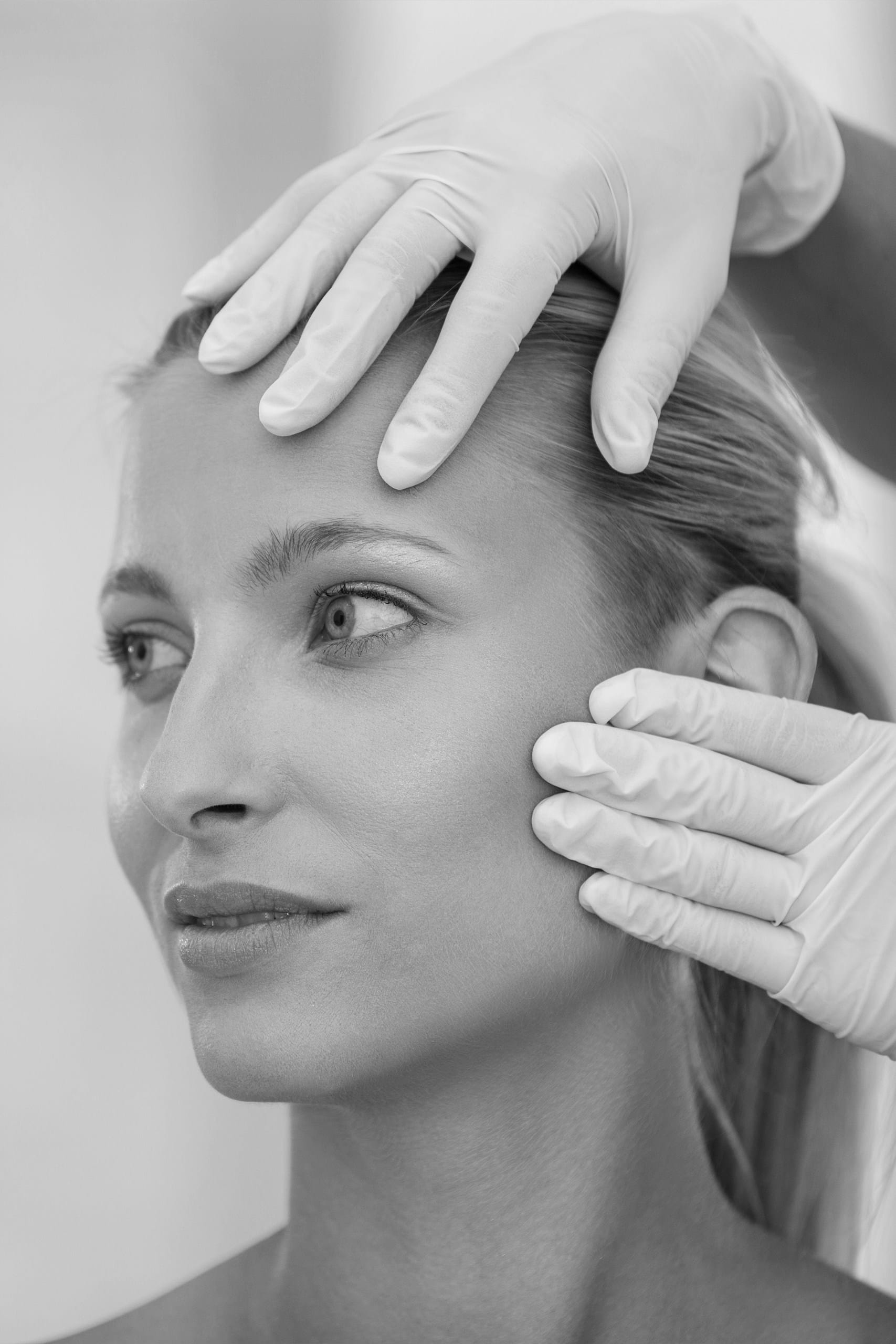

What is MeDioStar facial rejuvenation?
Rejuvenation with the MeDioStar diode laser is a non-invasive treatment to stimulate the cutaneous tissue, which promotes the restoration of the dermal matrix through the body’s own mechanisms. The 810/940 nm wavelengths penetrate the dermal layer to a level where collagen and elastin fibers are located, and the “SmoothPulse” mode ensures a controlled distribution of heat. Through this approach, the skin receives a “repair” signal: the existing collagen fibers contract slightly, which causes a discrete immediate tension, and the fibroblasts are stimulated to produce new collagen, responsible for long-term firmness. In parallel, local microcirculation improves, which contributes to a more oxygenated, brighter and more even complexion. For more details, please contact us!
01. How does the treatment work?
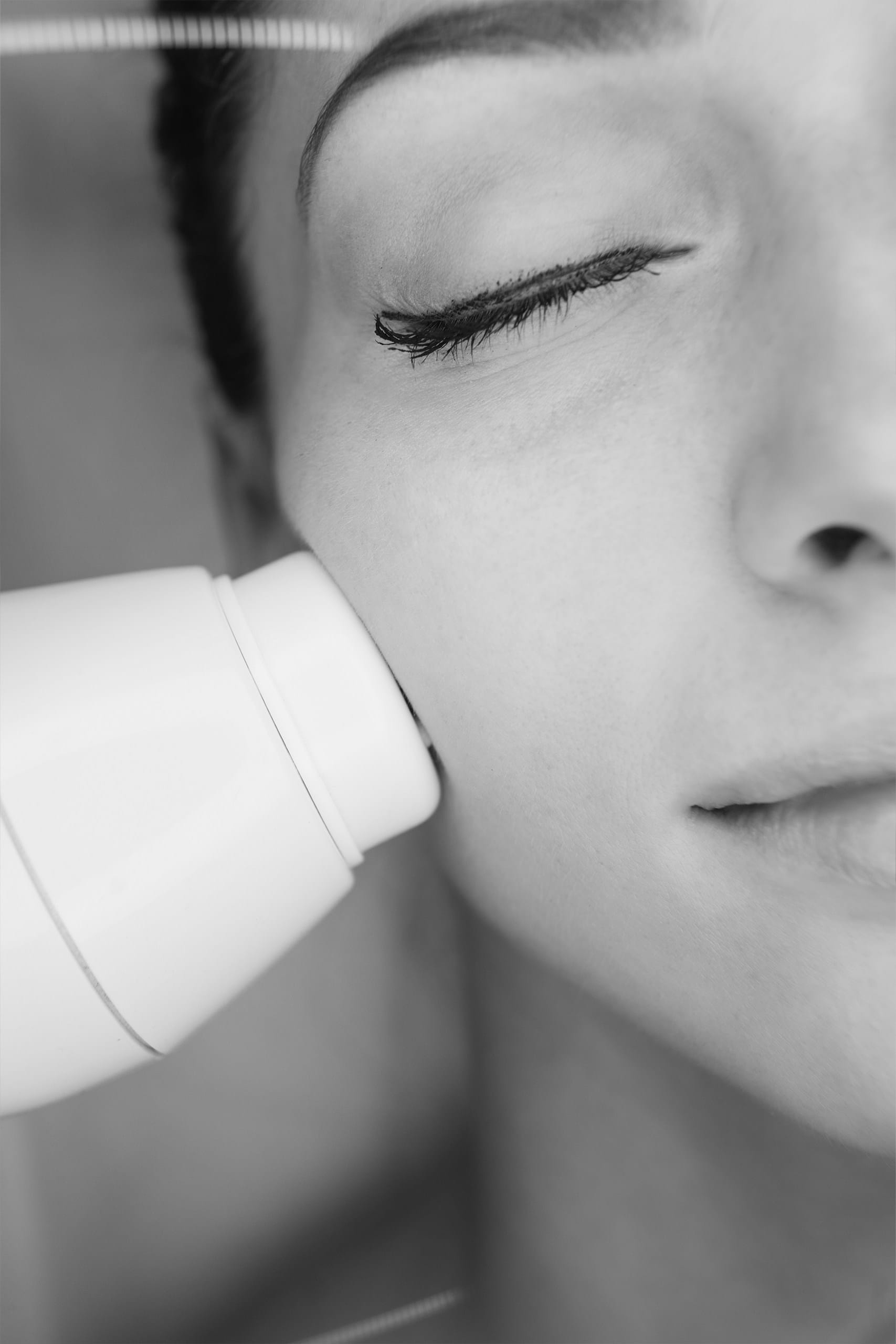
During the session, the laser handpiece emits controlled light pulses that penetrate the dermis. The absorbed energy produces targeted heating, sufficient to temporarily contract the collagen fibers and trigger the gradual remodeling of the tissue. This thermal effect has several beneficial consequences: first, the contraction of existing collagen provides an immediate toning effect; second, the stimulation of fibroblasts initiates the synthesis of collagen and elastin in the weeks that follow; third, microcirculation is activated, and the skin gains a healthy glow. In addition, the wavelengths used can help fade superficial pigmentary lesions and discrete redness, providing a visible evenness of color. The procedure is non-invasive, well tolerated and does not involve cuts, needles or lengthy recovery time; as a rule, the skin presents only a slight, transient redness, which remits within a few hours.
02. Indications – who is it suitable for?
This type of rejuvenation is recommended for people who notice fine lines and superficial wrinkles, slight skin laxity on the face, neck or décolletage, dilated pores and an uneven texture. It is also a good option for dull, lackluster skin, for superficial pigment spots associated with photoaging (lentigo), as well as for fine capillaries or diffuse redness that alter the uniformity of the complexion. MeDioStar is aimed at both women and men, offering an adaptable protocol depending on the skin phototype, from very light skin to darker skin. It is not a “lifting” treatment and does not replace surgical procedures or volumes obtained with fillers, but, for improving skin quality, tone and luminosity, it is an effective and predictable solution.
03. Benefits of MeDioStar rejuvenation
The main benefits are speed and comfort: a session lasts, on average, 20–30 minutes, and the patient can resume activities immediately after treatment. The lack of injections or incisions decreases anxiety and minimizes risks. The results appear progressively after 2–3 sessions, in accordance with the physiological rhythm of collagen synthesis, and the improvement continues to be visible over several weeks. Safety is supported by the integrated 360° cooling system, which protects the epidermis throughout the duration of the pulses, reducing discomfort and the risk of superficial irritation. Another important advantage is compatibility with all phototypes (I–VI), with the adjustment of working parameters according to the particularities of each person. In addition, MeDioStar integrates easily into a broad aesthetic plan, being able to be associated, in time, with other procedures such as botulinum toxin for dynamic wrinkles, fillers for volume and contour, Morpheus8-type treatments for moderate laxity or chemical peels for controlled exfoliation.
04. What does a session look like?
The session begins with a detailed consultation, in which the doctor assesses the skin type, aesthetic objectives and any sensitivities or ongoing treatments. The recommended protocol, the estimated number of sessions, the intervals between them and the post-treatment care routine are discussed. On the day of the procedure, the complexion is thoroughly cleaned, and any makeup or cream is removed. A cold contact gel is applied, after which the handpiece is gently slid over the surface of the skin, delivering short, rhythmic pulses. The sensation is usually described as a gentle warmth accompanied by a comfortable vibration. Depending on the area, the intensity is adjusted to obtain the desired stimulation with the best possible comfort. The average duration is 20–30 minutes for the face; if the neck or décolletage is added, the time increases proportionally. At the end, a soothing cream and a broad-spectrum photoprotector are applied. The redness is discrete and subsides in 1–2 hours, so there is no actual “downtime”. The usual protocol involves 3–5 sessions at intervals of 3–4 weeks, followed by maintenance sessions once or twice a year, depending on lifestyle and objectives.
05. What to expect after treatment
Immediately after the first session, the skin tends to appear brighter and more even, due to the improvement of microcirculation and the effect of initial collagen contraction. In the following weeks, as dermal remodeling progresses, the texture becomes finer, the pores appear less obvious, and the superficial wrinkles gradually fade. Firmness increases with the deposition of new collagen, and the result gains a natural appearance, without artificial effects. The durability of the benefits varies, in general, between 6 and 12 months, being influenced by age, hormonal profile, sun exposure and care routine. Maintaining the results involves the constant application of photoprotection, avoiding active tanning, using moisturizing creams and, if necessary, integrating gentle cosmetic actives recommended by the doctor (for example, retinoids with a break before and after the procedure, stable vitamin C or niacinamide).
06. Recovery and some tips for a good recovery.
- Exposure to direct sunlight or in tanning salons. Exposure to the sun causes skin damage. Exposure of operated areas and suture lines can lead to poor healing and hypo or hyperpigmentation color changes. Patients who want to expose themselves to the sun to tan should inform their doctor and postpone this activity until it is risk-free. The harmful effects of sun exposure also occur when using sunscreens.
- Travel. Any surgical procedure involves possible risks and complications that can delay healing and return to normal life. Please notify the surgeon of travel plans, important meetings planned so that the planning of the operation can be done efficiently. However, there are no guarantees that you will be able to return to planned activities on time.
- Long-term results. Changes in the results of the surgical procedure may occur over time due to aging. sun exposure, weight loss or gain, pregnancy, menopause or other circumstances unrelated to the procedure itself.
Information for female patients. It is important to inform the surgeon if you are using contraceptives or if you have the slightest suspicion that you may be pregnant. Many antibiotics can decrease the effectiveness of birth control pills. - Intimate relations after the surgical procedure. Surgery involves the coagulation of blood vessels to stop bleeding and physical activity of any kind can cause the opening of vessels and bleeding and/or hematoma formation. Activities that increase pulse and heart rate can cause additional bruising and bruising, inflammation and the need to open the operation to control bleeding.
Possible reactions
The treatment is usually very well tolerated. The most common reaction is a slight redness, sometimes accompanied by a feeling of local warmth, which disappears within a few hours. In rare cases, small transient changes in color or discrete spots may appear, which remit on their own. To minimize the risks, the procedure is not performed on recently tanned skin, and irritating topical treatments (retinoids, concentrated acids) are temporarily discontinued according to the doctor’s recommendations. In the immediately following days, it is indicated to avoid the sauna, intense physical effort and extreme temperatures, as well as the application of daily photoprotection.
Why choose MeDioStar?
The rejuvenation treatments are based on state-of-the-art technology produced in Germany and on clinically validated protocols, adapted to the skin type and objectives of each patient. Medical experience in facial aesthetics is combined with a careful and personalized assessment, so that you obtain visible benefits with a high degree of safety. The advanced cooling of the handpiece contributes decisively to comfort during the session, and the treatment plan is built realistically, with correct expectations and natural results.
Frequently asked questions
What does the MeDioStar diode laser do for facial rejuvenation?
MeDioStar uses 810/940 nm to heat the dermis in a controlled manner, stimulating the production of collagen and elastin. The skin becomes brighter, firmer, and fine wrinkles and the appearance of dilated pores are gradually attenuated. It is a very good solution for evening out color and improving texture, with visible benefits after the first few sessions.
How does Morpheus8 work?
Morpheus8 combines microneedling with fractionated radiofrequency, delivering energy deep into the skin (up to a few millimeters, depending on the settings). Through this action, it obtains a deeper structural remodeling, with an impact on moderate laxity, post-acne scars and facial contour. The effects build progressively in 6–12 weeks and can last significantly, especially in a correct protocol.
What is the main difference between MeDioStar and Morpheus8?
MeDioStar acts predominantly superficially-medium, excelling in improving luminosity, reducing fine wrinkles, dilated pores and discreetly even out pigmentation. Morpheus8 acts deeper, being preferred where laxity, scars or the need to redefine the facial contour are priorities. Many therapeutic plans combine them sequentially: MeDioStar for the quality of the skin surface, Morpheus8 for firmness and structural density.
Which treatment has a shorter recovery time?
MeDioStar typically has minimal downtime, limited to a slight redness for 1–2 hours. Morpheus8 involves a somewhat more visible recovery: redness and edema for 1–3 days, sometimes small punctate crusts, depending on the intensity of the settings.
Which treatment offers faster results?
MeDioStar often delivers a glow and tone effect even after the first session, and collagen remodeling will consolidate progress over time. Morpheus8 has a slower onset of results, which gradually increase in 6–12 weeks and can persist for 2–3 years, especially with periodic maintenance and proper care.
Are both treatments safe for all skin types?
MeDioStar is safe for all phototypes (I–VI), with careful adaptation of the parameters, including tanned skin, where caution remains recommended. Morpheus8 is also safe on most skin types, but in very dark phototypes the protocols must be personalized to limit the risk of post-inflammatory hyperpigmentation. The initial assessment establishes the optimal choice.
Which procedure is more suitable for you?
If you are concerned about dull skin, superficial spots, fine wrinkles and dilated pores, MeDioStar is usually the first option. If the main objective is firmness, scar attenuation or contour redefinition, Morpheus8 will probably be recommended. In many cases, the combination of the two, in a phased protocol, offers the best balance between evenness and the “tightening” effect.
What is the cost of non-surgical facial rejuvenation with the MeDioStar Asclepion diode laser?
200 - 250 RON
Initial consultation
800 - 1200 RON
Full session for face
1200 – 1500 RON
Full session for face and neck
3000 – 4500 RON
Packages of 4 sessions
The mentioned costs are estimates and may vary depending on case complexity, as well as any additional procedures or investigations required.
For robust and stable results, packages of 4 sessions have advantageous rates, around 3,000–4,500 lei, and usually include detailed recommendations for maintenance. Packages are preferable in rejuvenation because collagen is remodeled gradually, and repeated stimulation, at correctly chosen intervals, maximizes the benefits.
A detailed final cost can only be determined after a medical consultation, during which the clinical situation will be evaluated and an individualized treatment plan will be established. For a personalized estimate, we recommend scheduling a consultation.
