
What is a deviated septum?
Septal deviation is encountered in most of the population, being a condition that may or may not affect the quality of life. In more severe cases, a deviated septum can make breathing difficult and lead to continuous nasal congestion. The septum is the osteocartilaginous wall that separates the nasal fossae, and the curved shape can be located anywhere along it: anterior (cartilage), middle, or posterior (bone).
Nasal Septal Deviation Surgery
Functional rhinoplasty refers to surgery that aims to improve breathing or, more precisely, the passage of air through the nasal cavity. Most often, it involves widening the passage through the nasal cavity. On the other hand, aesthetic rhinoplasty refers to changing the appearance of the nose.
Septoplasty is a procedure within functional rhinoplasty and refers to surgery on the nasal septum (the cartilage and bone structure that separates the two nostrils). Septoplasty can resect, straighten, or reposition the nasal septum.
What are the causes of septal deviations?
01. What are the causes of septal deviations?
Septal deviations can be congenital, from birth, or can occur as a result of trauma.
02. What are the symptoms of a deviated septum?
- Breathing difficulties;
- Nasal congestion;
- Bleeding;
- Constant rhinorrhea;
- Sinus infections;
- Noisy breathing;
- Facial pain or headaches.
03. What complications can a deviated septum cause?
- Nasal secretions;
- Nasal bleeding;
- Chronic sinus infections;
- Headaches;
- Fatigue caused by poor brain oxygenation.
04. How can a deviated septum be treated?
- Medically;
- Surgically through septoplasty (functional intervention), with or without septorhinoplasty (aesthetic intervention).
05. Planning for deviated septum surgery
Before septoplasty surgery
Medical history
The specialist doctor will analyze the reason why you want such an intervention and will take a history of the symptoms and other medical problems you may have.
Physical examination
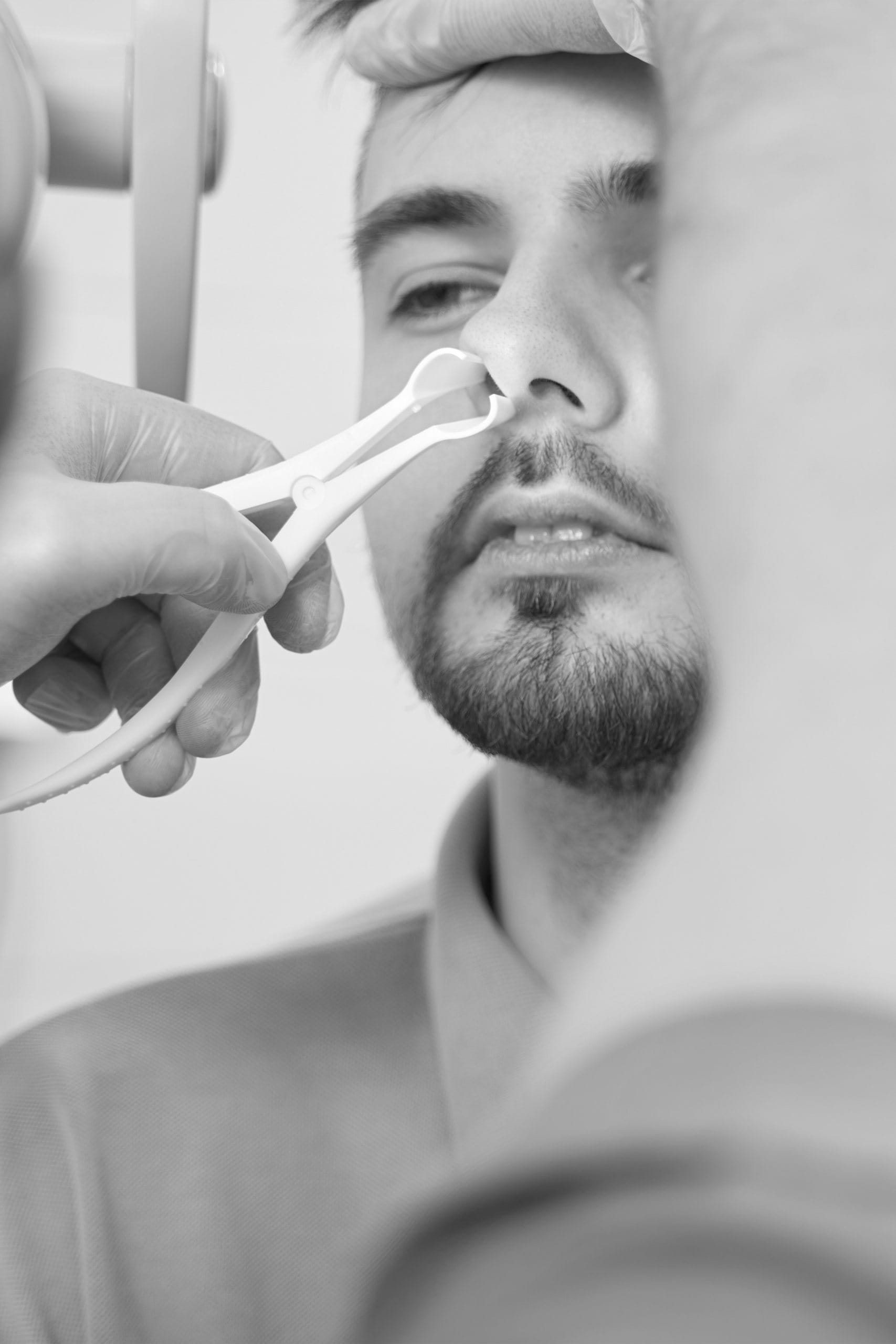
The doctor will ask you for certain blood tests and will perform a physical examination in which he will inspect the skin, the inside and outside of the nose.
Photos
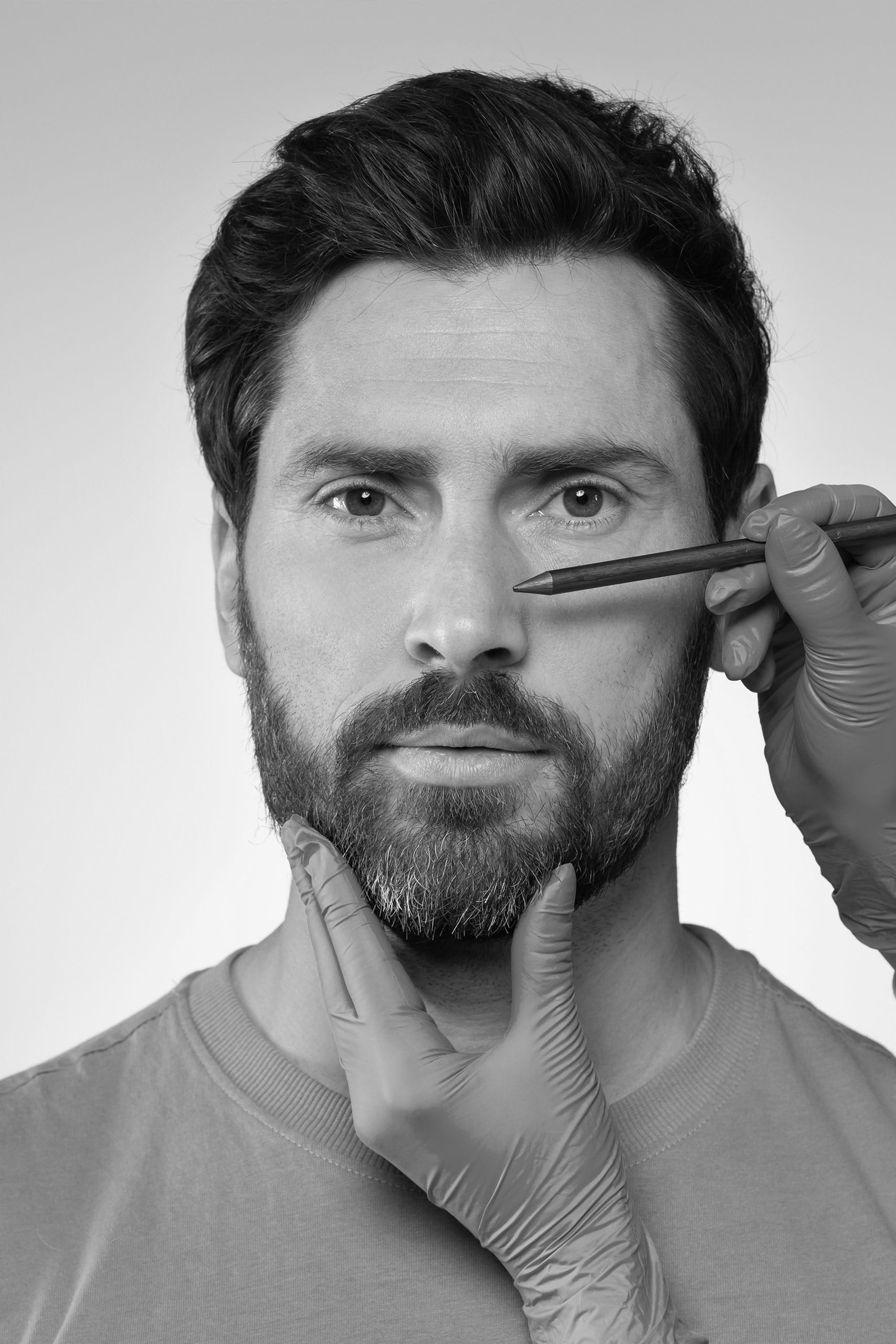
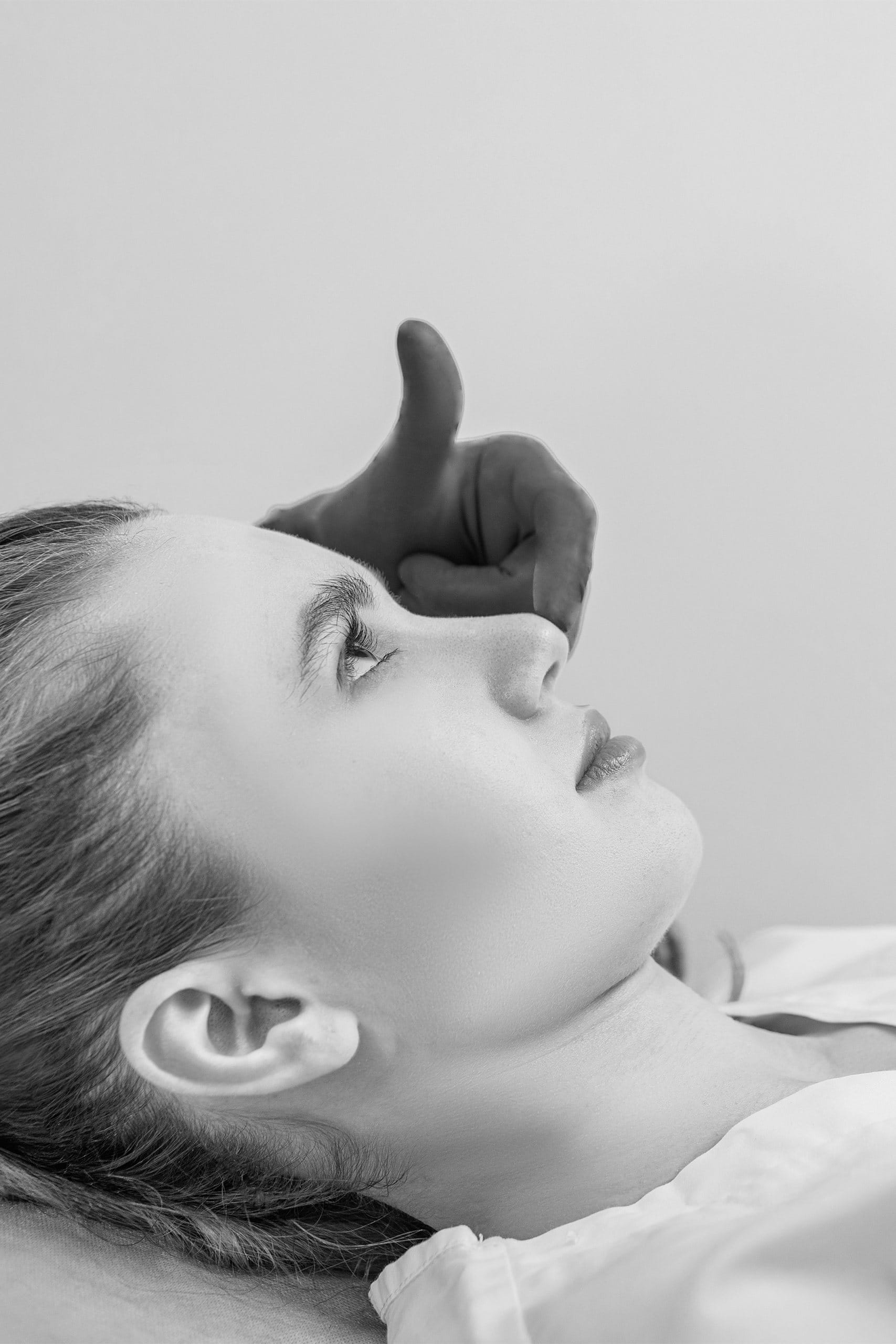
An assistant will take some pictures of the nose from various angles. These will help the doctor to see better what it is about and to be able to analyze them in detail on the computer. They will also be useful postoperatively, in order to be able to observe the differences.
Septoplasty surgery
This can be performed by an ENT doctor or a plastic surgeon. For the patient’s comfort and the smooth running of the intervention, general anesthesia is recommended, but depending on the recommendations and the patient’s preference, local anesthesia can also be chosen.
During the operation, the doctor sections and repositions the nasal septum, so that at the end of the intervention the nasal fossae have equal dimensions. For this, an incision is made in the nasal mucosa and the excess bone or cartilage is removed.
Septoplasty is intended for people over 18 years of age, when the nasal bone and cartilage are fully developed and no longer grow. The incision takes place inside the nose, so that postoperatively there are no visible scars on the outside.
6. Recovery after septoplasty
On the first day after rhinoplasty, you may feel a sensation of facial congestion and some pain around the nose. You may have a slight headache, but this discomfort can be controlled with the medications prescribed by the plastic surgeon. It will be necessary to keep your head elevated on the first day after surgery.
Patients usually have slight bleeding, as well as swelling and bruising around the eyes in the first few days, which is completely normal. It is somewhat common to have a not-so-pleasant appearance in the first days, at first, but after about 3 days, the swelling and bruising will stabilize and begin to fade gradually. Applying cold compresses carefully to these swollen and bruised areas can help you feel more comfortable.
After 1 week the external splint will be removed. During this period, the septal splints that are inserted into each nostril at the end of the operation and which are maintained for a few days up to a week will also be removed. Most swelling and bruising disappear in 2 to 3 weeks. Within a few weeks of rhinoplasty, you will begin to look and feel better. You will most likely return to work as long as your work is not too strenuous.
You should avoid exercises and activities that can increase your blood pressure. In general, you will want to pay more attention to protecting your nose when bathing or applying makeup. If you wear glasses, you will need to be very careful not to leave them on the bridge of your nose until it heals properly, usually within a month to a month and a half.
Benefits of nasal septal deviation surgery (septoplasty)
Deviation or malposition of the nasal septum is treated by septoplasty. This aims to obtain a straight septum centered on the longitudinal axis of the face. The septum can be resected, partially deviated, or it can be completely excised and reintroduced after it has been straightened extracorporeally.
The septum can be straightened using sutures or cartilage or bone grafts. The bony part of the septum that is posterior is usually resected if it is deviated enough. This maneuver, which addresses the function of the nose, can be performed together with aesthetic rhinoplasty, through a septorhinoplasty intervention, thus the operation becoming more complex and longer in time.
What result should we expect after nasal septal deviation surgery?
- Readjustment of the bone and cartilage inside the nose;
- Modification of the bone where appropriate;
- In the first days, a slight nasal obstruction will be maintained.
What is the price of nasal septal deviation surgery?
€1500
Nasal septal deviation
The costs mentioned are estimates, and they may vary depending on the surgical technique chosen, the complexity of the case, as well as any additional procedures or investigations required.
A detailed final cost can only be established following a medical consultation, in which the patient’s clinical situation will be assessed and the individualized therapeutic plan will be established. These costs include: the surgeon’s and anesthesiologist’s fees, the hospitalization period, all the medicines and materials needed during the surgery and during hospitalization. For a personalized estimate, we recommend scheduling a consultation.
